When you've got a tree leaning toward your power lines or standing dangerously close to them, the price tag for removal jumps fast. A straightforward tree takedown on open ground might run you one price. That same tree near electrical lines costs significantly more, and there are real reasons why. Understanding those reasons helps you know what you're actually paying for instead of just seeing the bill and wondering why it's steep.
Power lines make the job exponentially harder
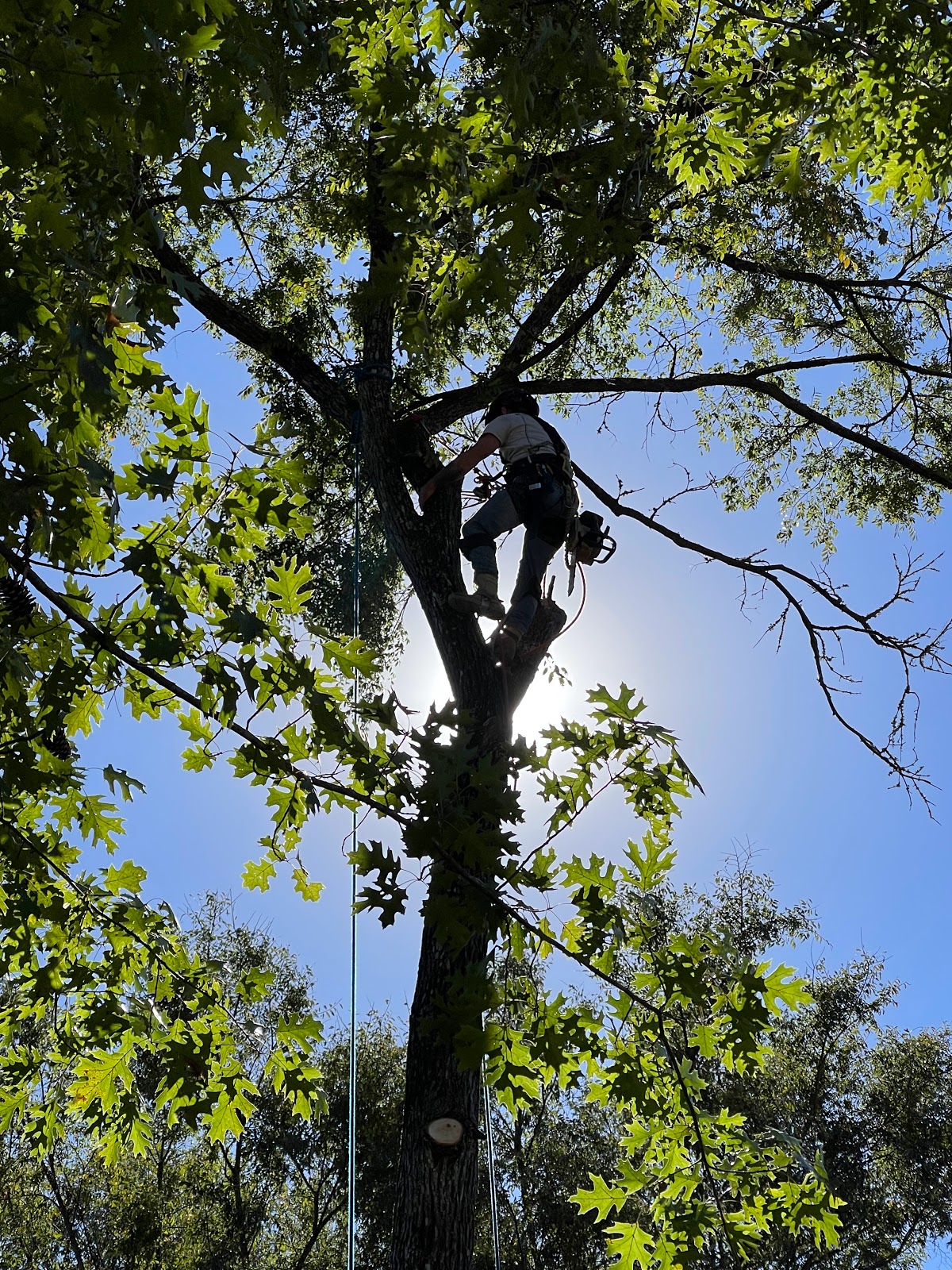
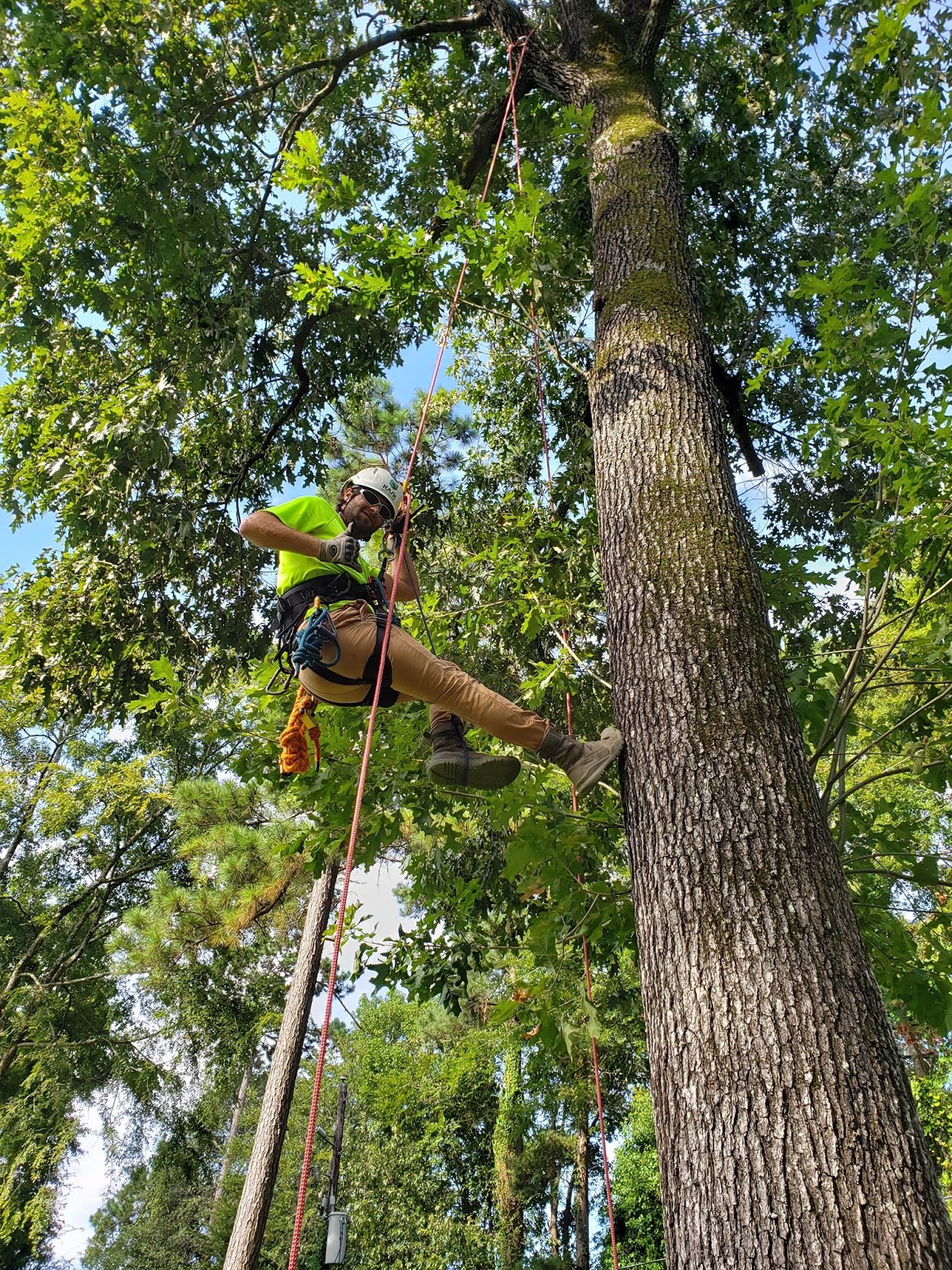
A tree removal near electrical lines is not the same job as a tree removal anywhere else. We can't just drop a tree the fastest way and move on. Every cut, every limb, every piece of wood has to be positioned and controlled so nothing touches a live wire. That means we're working slower, more deliberately, and with constant awareness of where everything is going. We can't use certain equipment. We can't take certain angles. The margin for error is zero, and that constraint costs time and requires more skilled labor on the crew.
We need utility company coordination
Before we touch a tree near power lines in Montgomery, we typically need to call the utility company to either de-energize the lines or confirm they're safe to work around. That's not something we control. It adds days to your timeline sometimes. The utility company has to schedule a technician, and if they need to cut power to do it safely, they may coordinate with other customers in that area. That delay gets passed through to you. We also can't start work until we have written clearance or confirmation that the lines are dead. It's a procedural cost that's built into the estimate.
Insurance and liability are much steeper
Our liability insurance costs more when we're working near electrical infrastructure. The risk profile is higher. If something goes wrong and power is disrupted, or if someone gets hurt, the exposure is larger. We carry specialized coverage for this kind of work, and that coverage is reflected in what we charge. It's not padding. It's real risk transfer, and the insurance company prices it accordingly based on the hazard.
Equipment and crew size have to change
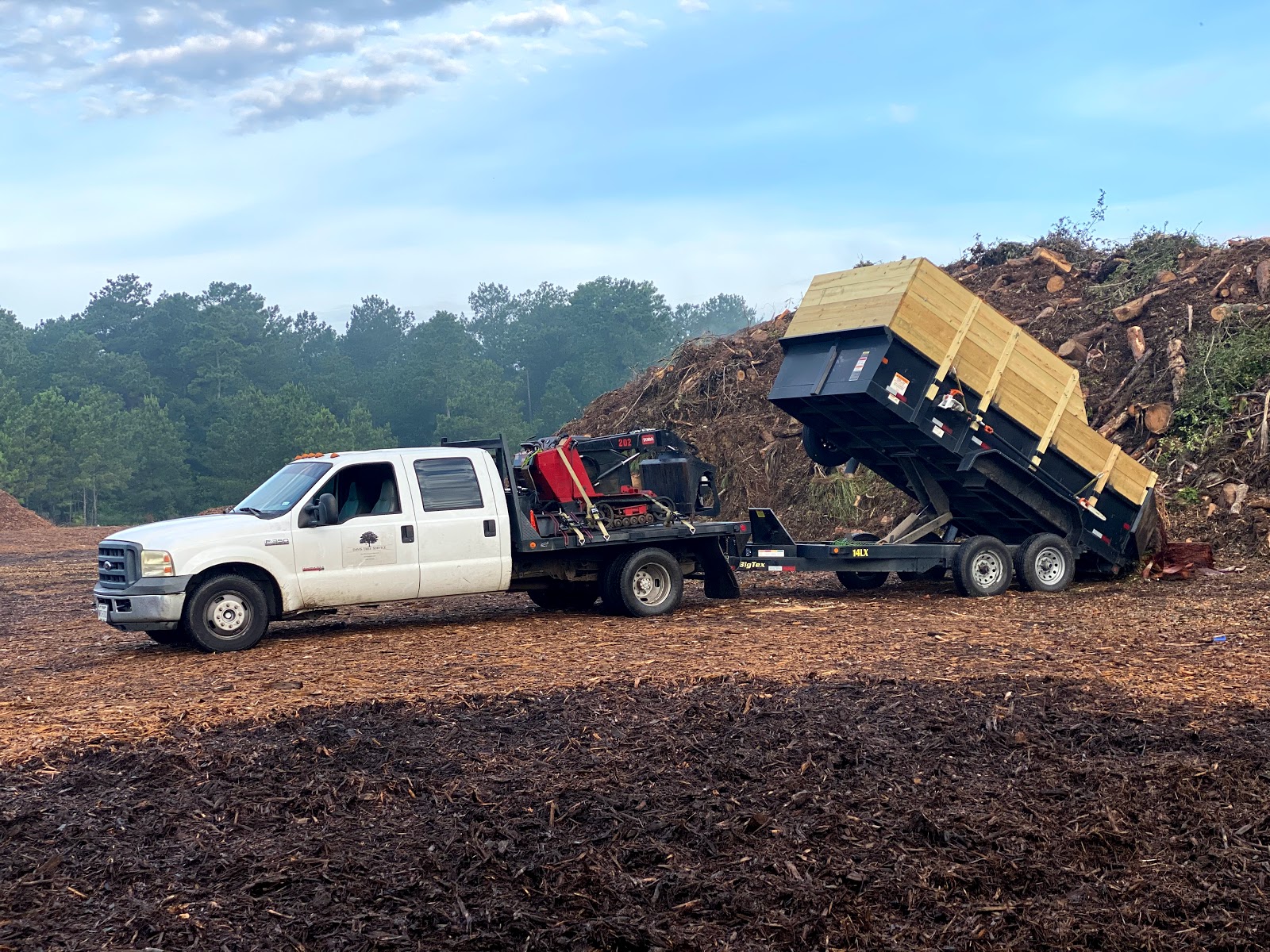
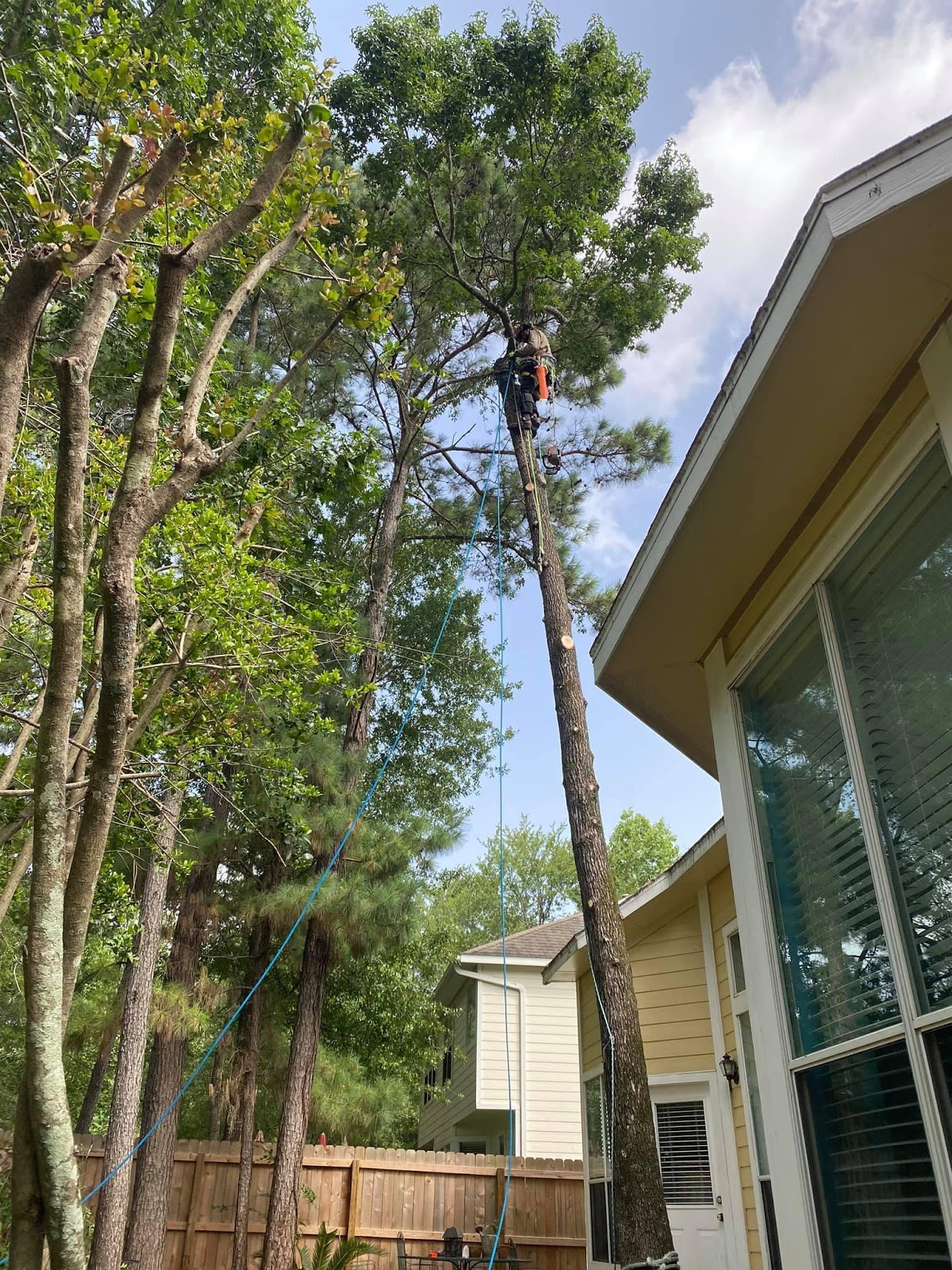
We can't bring the same crew and equipment to a job near power lines as we do to an open yard removal. We need more spotters. We need people positioned to watch the work and communicate hazards. We need equipment that allows us to lower limbs piece by piece instead of cutting them free. A bucket truck or crane might be necessary instead of climbing and rigging. All of that means more labor hours and potentially equipment rental costs. A two-person crew becomes four or five. That's not overhead; that's necessary.
Proximity to other structures matters too
Trees near power lines in Montgomery neighborhoods are often also near houses, garages, fences, and other buildings. You can't just let a limb fall wherever it wants. We have to lower major pieces and position them carefully. That's slower work. It's also work that requires higher skill, and skilled labor costs more. A tree that's in the open and near power lines is actually simpler than a tree that's near power lines and near your house at the same time. Both cost more than a tree in open space, but the combination compounds the complexity.
You're paying for safety, not just labor
When you see a higher estimate for tree removal near power lines, part of what you're paying for is the certainty that the job will be done without anyone getting electrocuted and without your neighborhood losing power for hours. That's worth something. The slower pace, the extra people, the equipment choices, and the coordination all exist to make sure the risk stays managed. It's not a markup for inconvenience. It's the actual cost of doing the job safely.
What you can do to manage the cost
If you're deciding whether to remove a tree near power lines, get multiple estimates. Different companies may have different equipment and approaches that change the price. Some trees can be trimmed back instead of removed entirely, which is cheaper and sometimes solves the problem. Ask the arborist whether the tree absolutely has to come down or whether a professional pruning would address your concern. If removal is necessary, ask whether the utility company can de-energize the lines and whether that's included in the estimate or billed separately. Understanding those details helps you compare apples to apples.
Davis Tree Service has handled plenty of removals near power lines throughout Montgomery. We know the local utility procedures and the real constraints of the work. If you've got a tree that's too close to electrical lines and you want a clear estimate of what it'll cost and why, give us a call. We'll walk through the specifics of your tree and your situation.