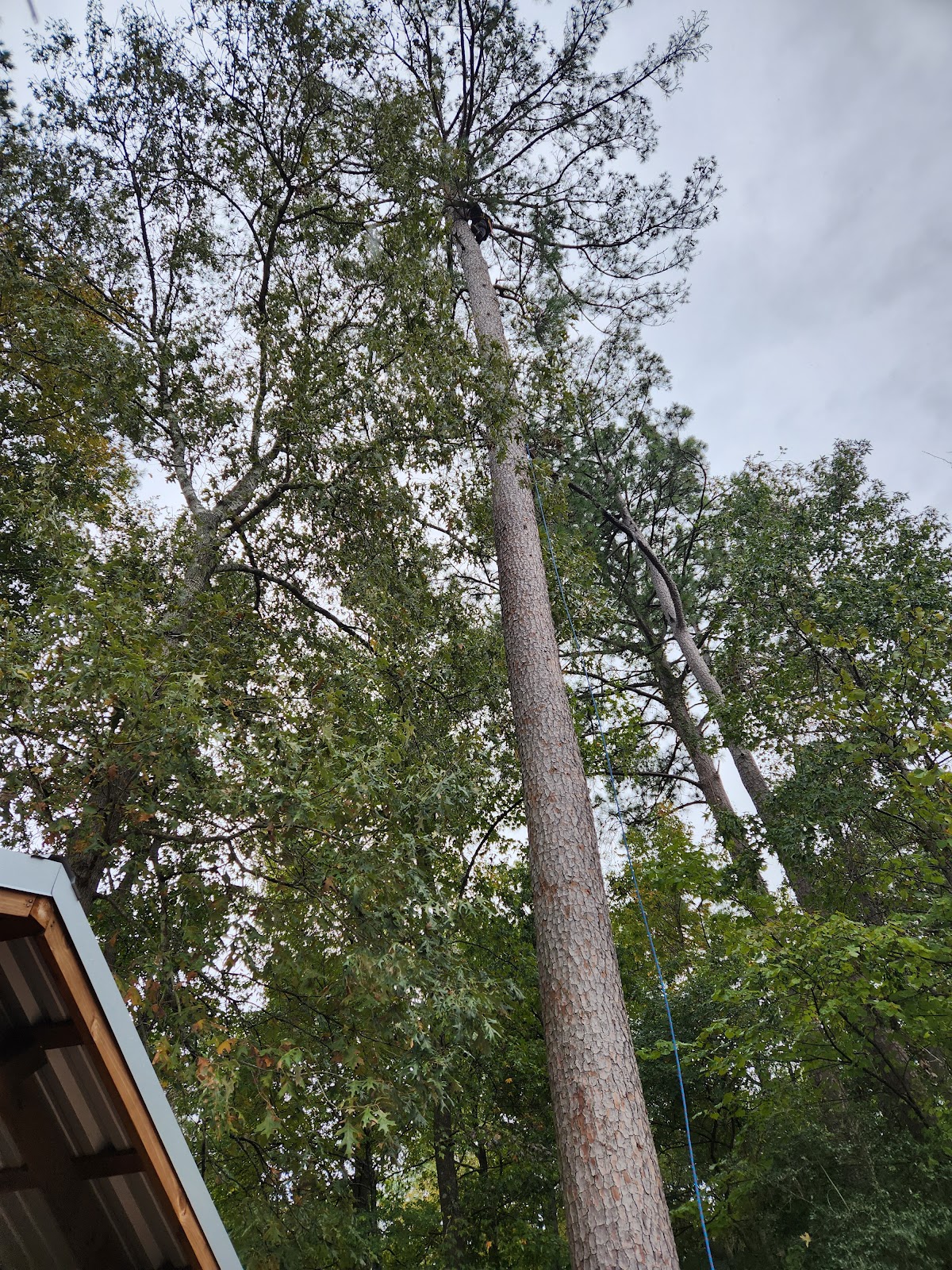
When a hurricane warning goes up for the Montgomery area, homeowners with mature trees on their property have a real problem on their hands. A 60-foot oak or pine doesn't just bend in high wind. It fails. Branches snap and drop into power lines. Root plates lift. Entire trunks can come down across a roof or driveway, and once the storm hits, you cannot do anything about it. The time to address tree risk is weeks before the season peaks, not the day before a system makes landfall. We've been cutting trees in Montgomery for years, and we've seen what happens when people wait too long or don't think ahead.
Know Which Trees Are Dangerous in High Wind
Not all large trees are equally risky in a hurricane. Live oaks and pines handle wind differently. A pine with a shallow root system and a heavy crown can uproot in sustained winds around 60 to 70 miles per hour. Live oaks, which are common around Montgomery, tend to break apart rather than uproot, but large branches snap and fall. Dead wood inside the canopy is invisible until it hits your house. If you have a tree that's already showing signs of stress, lean, or decay, it becomes a liability fast. Walk your property in the spring and early summer. Look up. If you see dead branches hanging in the canopy, bark peeling off sections of the trunk, or the tree leaning noticeably to one side, those are not things that improve on their own.
Pruning Reduces Wind Resistance
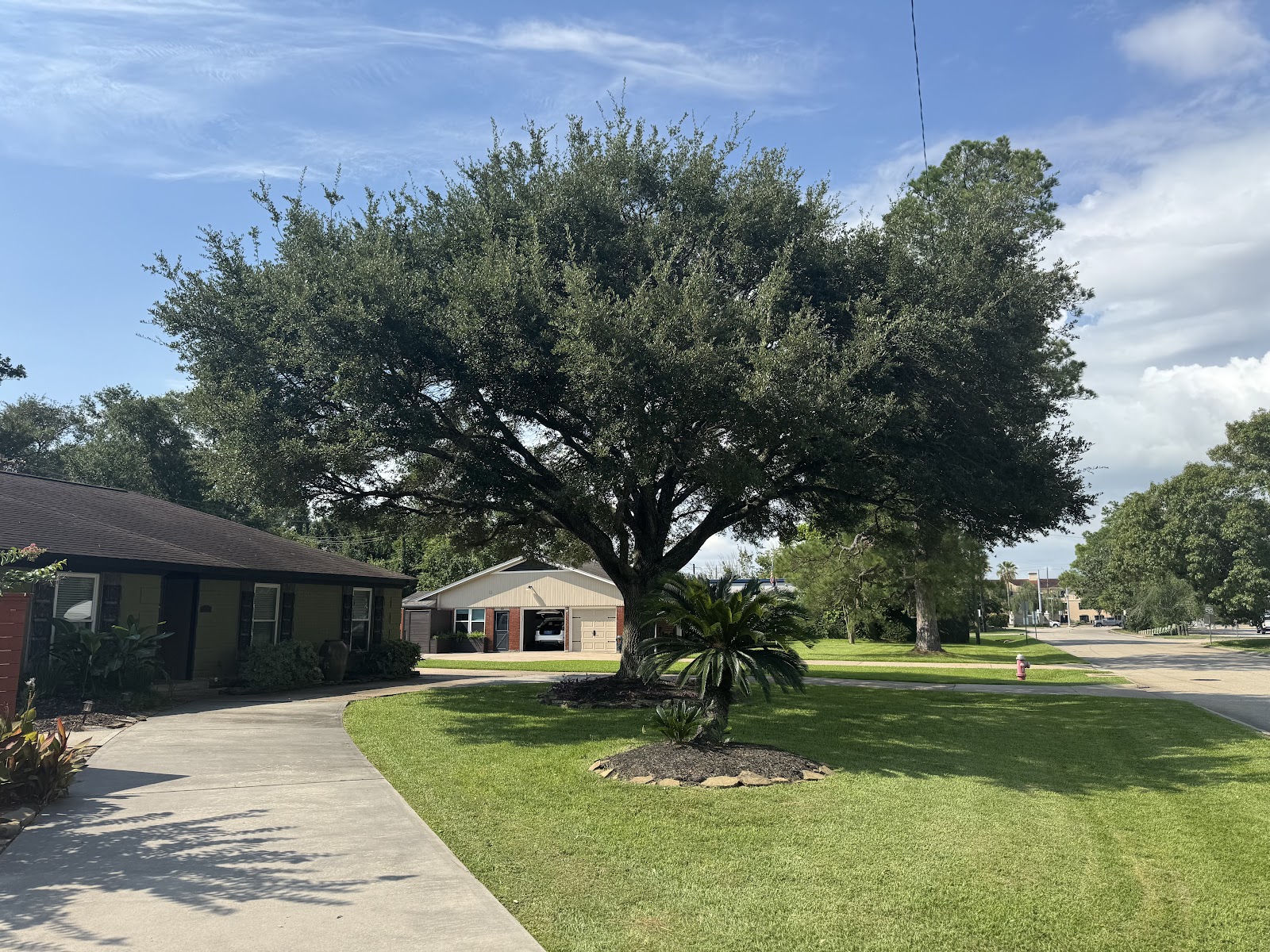
Removing dead wood and thinning the crown are not cosmetic work. They reduce the wind load that a tree has to carry. A dense canopy acts like a sail. When you remove crossing branches, dead limbs, and interior growth that doesn't contribute to the tree's shape, wind passes through instead of pushing against solid mass. This is different from topping a tree, which is harmful and creates weak regrowth. Proper crown thinning removes maybe 20 to 30 percent of the branch structure, opening sight lines and letting light into the canopy while keeping the tree's natural form. In Montgomery, where we get afternoon thunderstorms and the occasional tropical system, a well-thinned tree survives better than one that's been left to grow wild.
Removals Make Sense for Some Trees
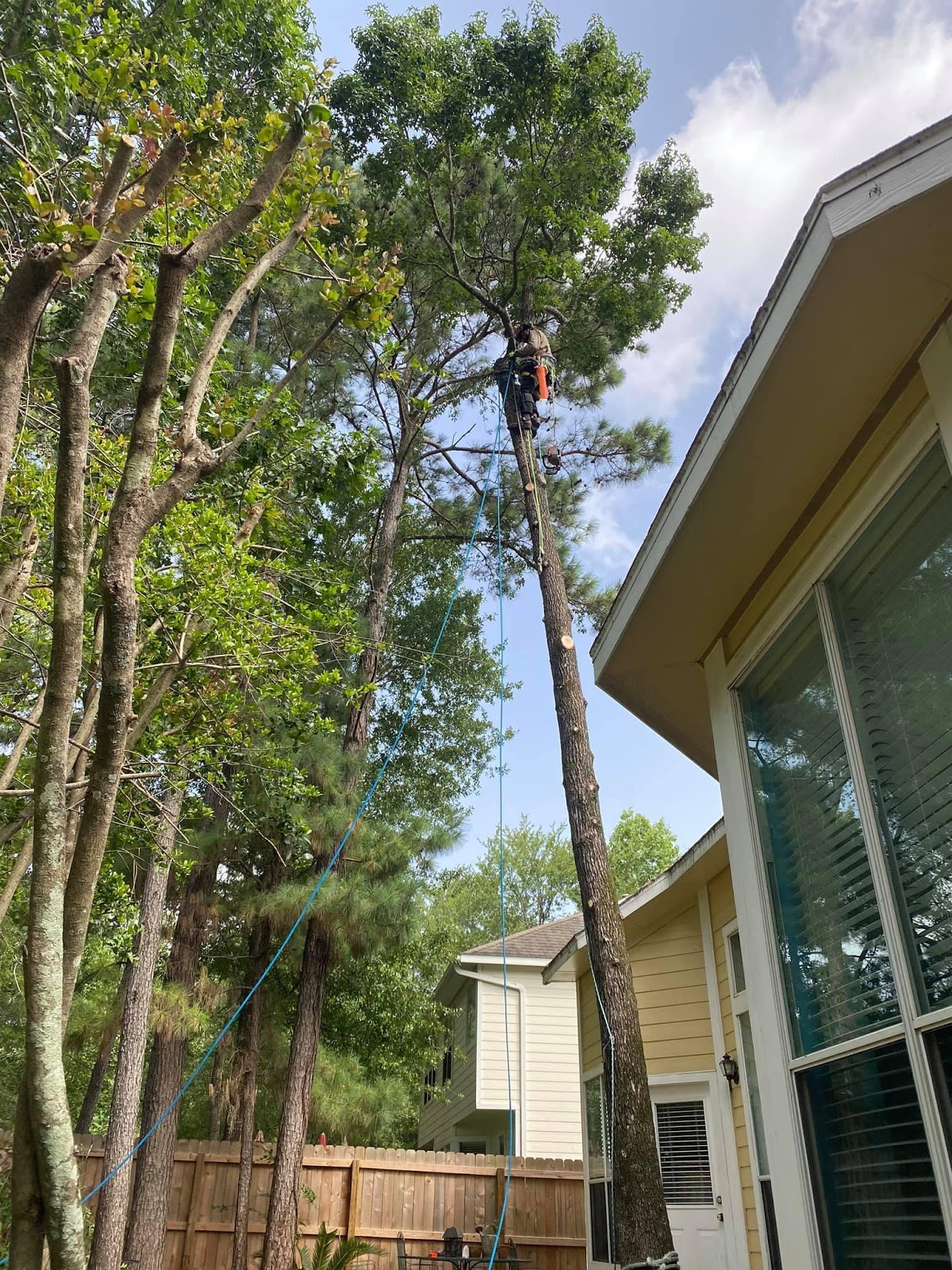
Sometimes the best hurricane prep is removal. If a tree is already compromised, located directly over your house or a structure you care about, or so close to your roof that branches hang over the shingles year-round, cutting it down is the practical choice. We often recommend removal for trees that are split at the base, hollow inside, or so diseased that they're not going to recover. People sometimes hesitate because they think about shade or the look of the yard. But a tree that's going to fail and cause thousands in damage is not an asset. It's a liability. Removing it before hurricane season lets you sleep better and protects your property. If you want to keep the shade, you can plant something younger and healthier in a location that's safer.
Timing Matters for Preparation
June and July are the right months to do tree work in Montgomery if you're thinking about hurricane season. You want the work done well before August, when the Atlantic gets more active and forecasters start watching systems more closely. Waiting until September or October means you're behind. If a hurricane is already being tracked toward the coast, arborists are booked solid, and you can't get work done in time. Earlier is always better. Beyond the trees themselves, make sure gutters are clear of debris before the season hits. Branches hanging over your roof should be trimmed back at least 10 feet. And if you have any trees that are obviously dead or dying, get them down while you have the time and contractors available.
What to Do If a Tree Falls
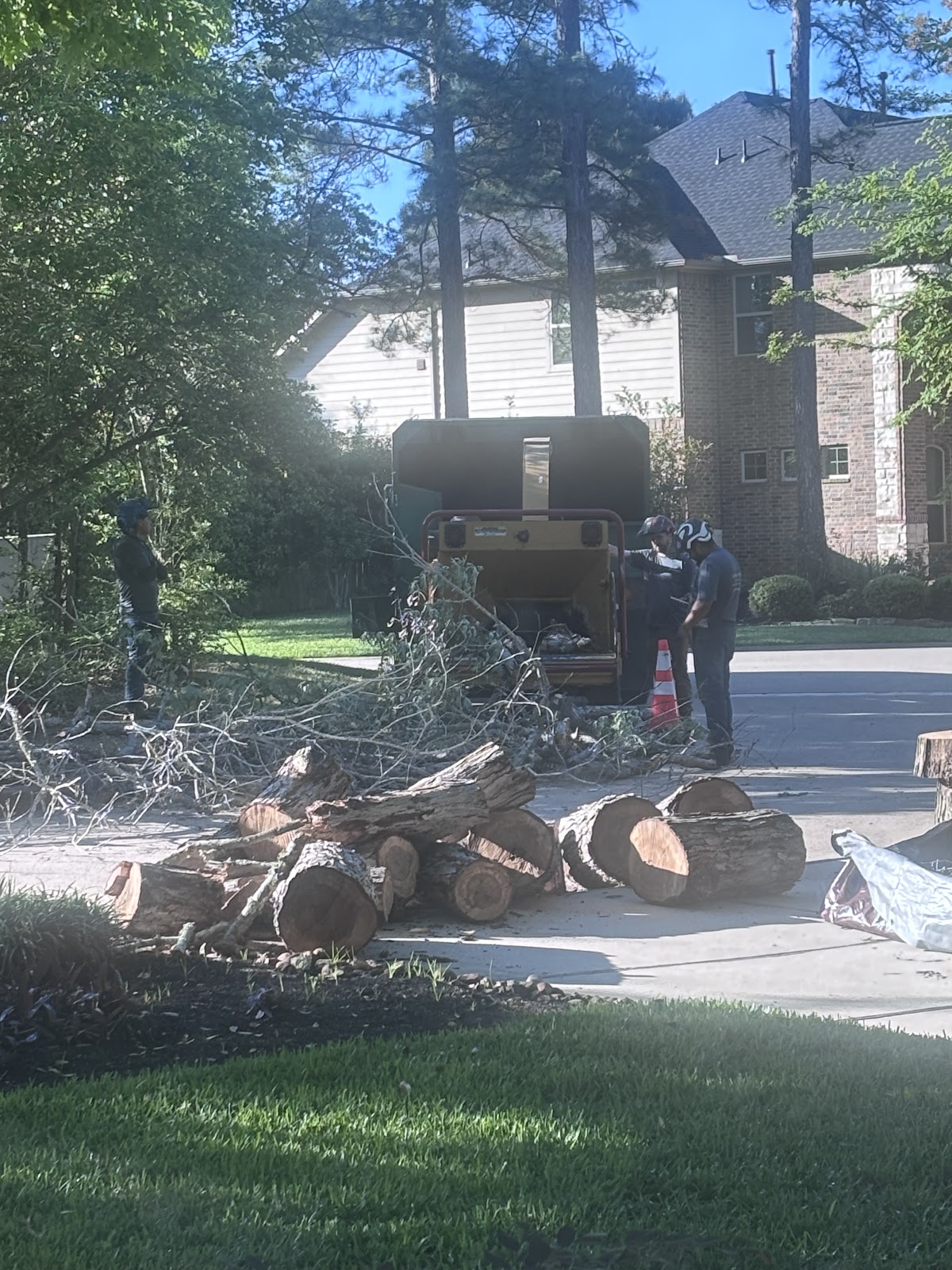
If a tree does go down during a storm, don't try to move it yourself. A fallen tree is often under tension, especially if it's hung up on another tree or a structure. Cutting into it without knowing where that tension is can cause the wood to shift suddenly and cause serious injury. Call a professional. Once the storm passes and it's safe, we can remove the fallen tree, cut it up, and haul it away. We also handle storm cleanup work where branches are scattered across your yard or draped over the garage. The cleanup is part of the job, not an add-on.
Getting ahead of hurricane season means looking at your trees now and making decisions about what stays, what gets pruned, and what comes down. It's not complicated, but it does require a clear head and a realistic view of what your trees can handle. Davis Tree Service can help you assess the risk and get the work done before the season gets busy. Give us a call to schedule a property walk and talk through your options.