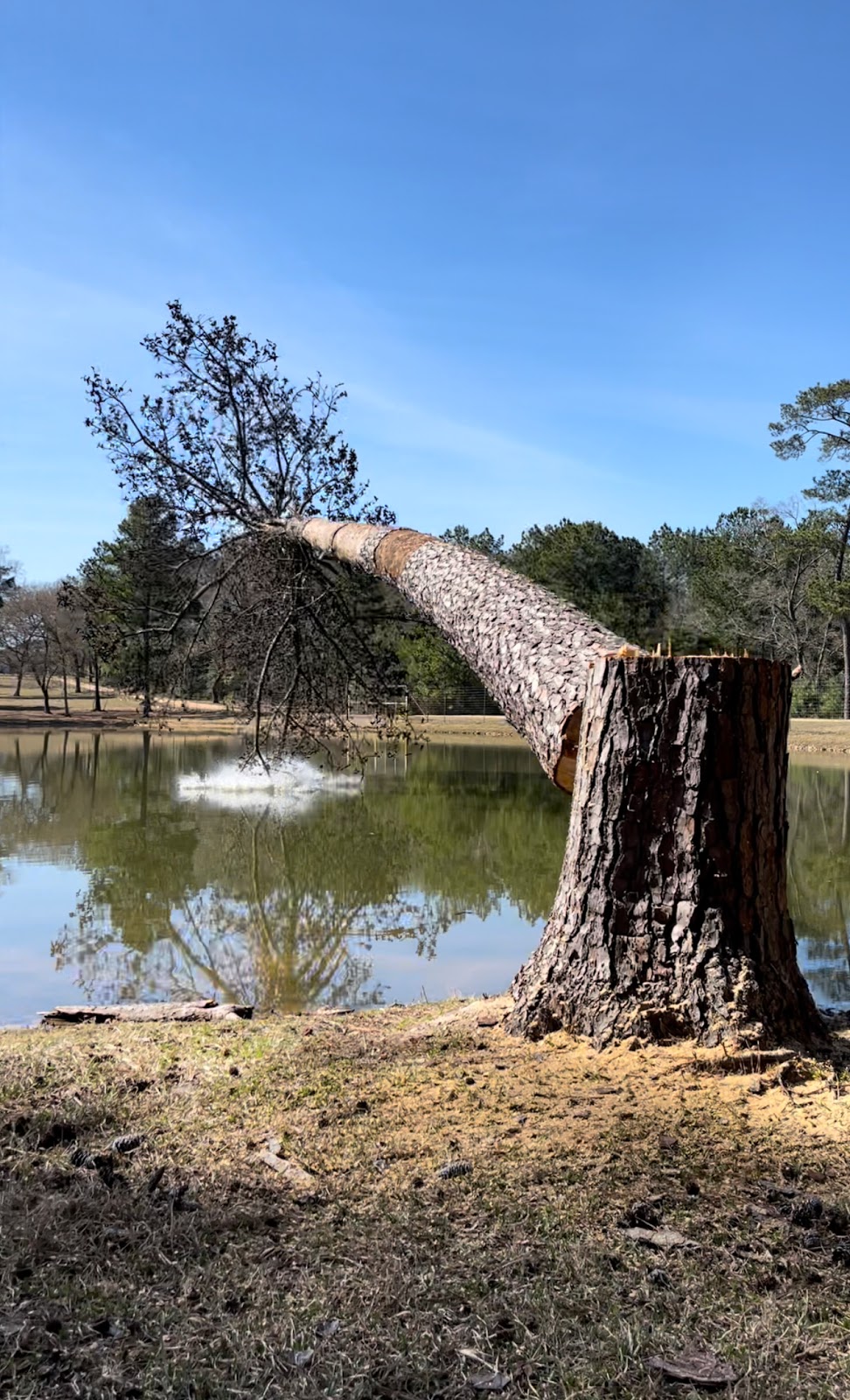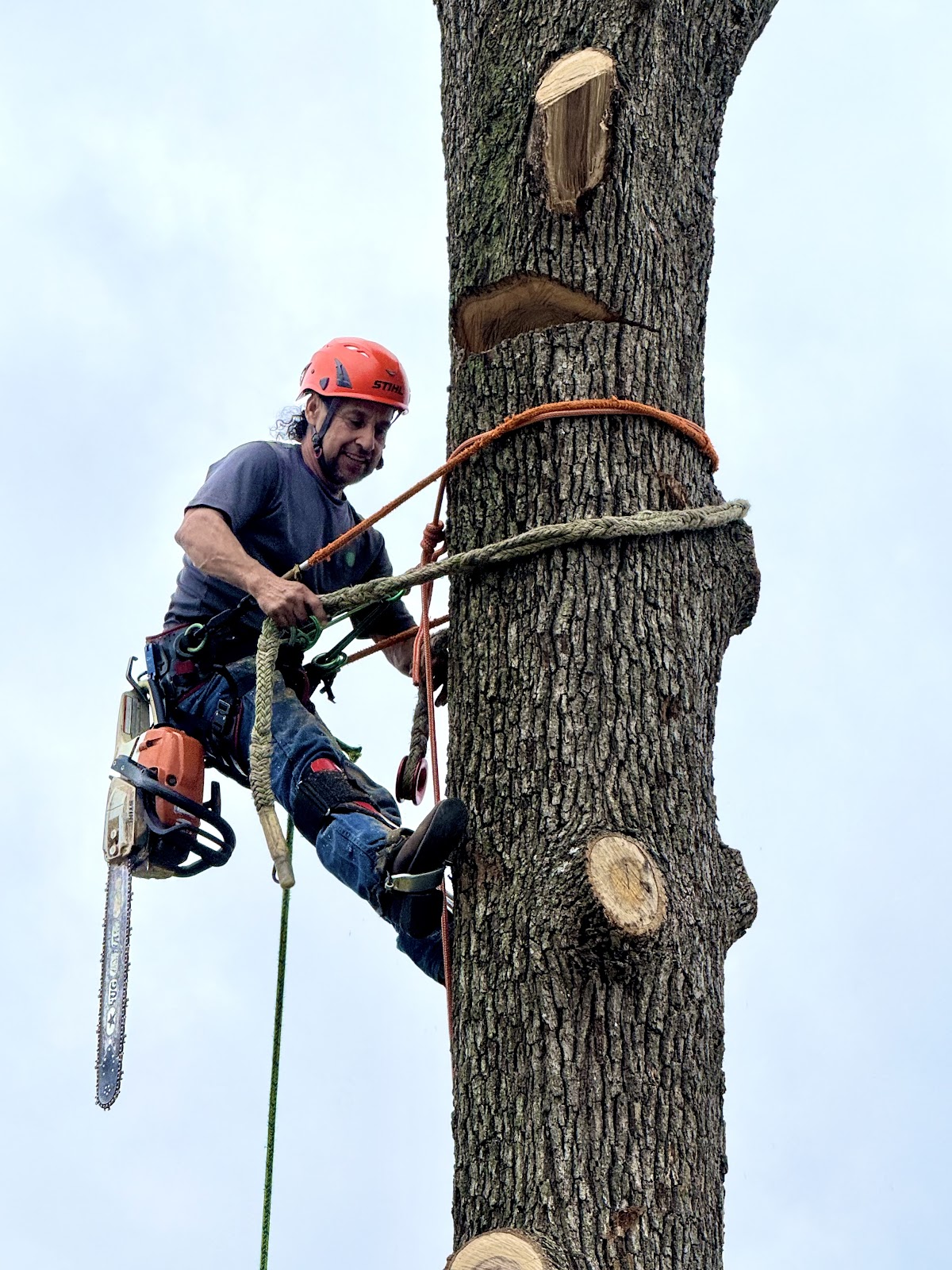
If you've got a tree stump in your yard in Montgomery, you're probably wondering how long you can just leave it there before nature takes over. The honest answer is a long time. We're talking years, sometimes decades. A lot of property owners think they'll just wait it out, and then five years later they're still mowing around it, still dealing with it. That's why understanding the timeline matters when you're deciding between letting nature run its course and getting the stump removed now.
The Timeline Depends on Wood Type and Size
A stump won't disappear on its own in any reasonable timeframe. The speed of decay depends mostly on what kind of tree it was and how big the stump is. In Montgomery's climate, a smaller softwood stump, like from a pine tree, might start breaking down noticeably in three to five years. A hardwood stump, like oak or hickory, can take ten to fifteen years or longer. The bigger the stump, the longer the process takes. A large oak stump could easily take twenty years or more to rot down to nothing. That's longer than most people want to wait.
Why Moisture and Heat Speed Things Up
Montgomery's humidity and heat actually work in your favor when it comes to natural decay. The moisture gets into the wood, and the warmth accelerates the breakdown. But even with ideal conditions, the process is slow. Fungi and insects need to colonize the wood, and that takes time. Rain has to soak in, freeze-thaw cycles have to crack the wood, and decomposers have to do their work. You might see the stump start to soften or get mushy on top after a couple of years, but the root system below ground takes much longer to break down.
What Happens While You Wait
While your stump sits there rotting, it becomes a problem in other ways. Sprouting is the most obvious one. Hardwood stumps especially will send up new shoots and suckers that you'll have to keep cutting back. Some property owners don't realize they're basically growing a new tree every year. The decaying wood also attracts insects, termites, and carpenter ants. That might not matter if the stump is far from your house, but if it's close, you're potentially inviting pests closer to your home. The stump also takes up space you could use, and it looks rough in your yard while it sits there for a decade or more.
The Practical Alternatives
Most people don't want to wait. A stump grinder can remove a stump down to below ground level in an hour or two, depending on the size and root depth. You can walk on that spot, plant grass, or build on it right away. Chemical stump removers exist, but they're slow and don't always work well on large or hardwood stumps. Burning a stump is an option in some cases, but you need to check local regulations and make sure you do it safely, especially in a neighborhood setting like most of Montgomery.
What We Recommend
If you've got one small stump far from the house and you genuinely don't mind waiting, sure, let it rot. But if you've got multiple stumps, if it's near your home or where you use your yard, or if you want to reclaim that space now, grinding makes sense. The cost of removal is usually worth it for the immediate result and the peace of knowing you won't have sprouts coming up for the next decade.
Call Davis Tree Service in Montgomery if you want to talk through your options. We can tell you exactly what you're looking at with your specific stump and help you decide whether waiting or removing makes sense for your situation.