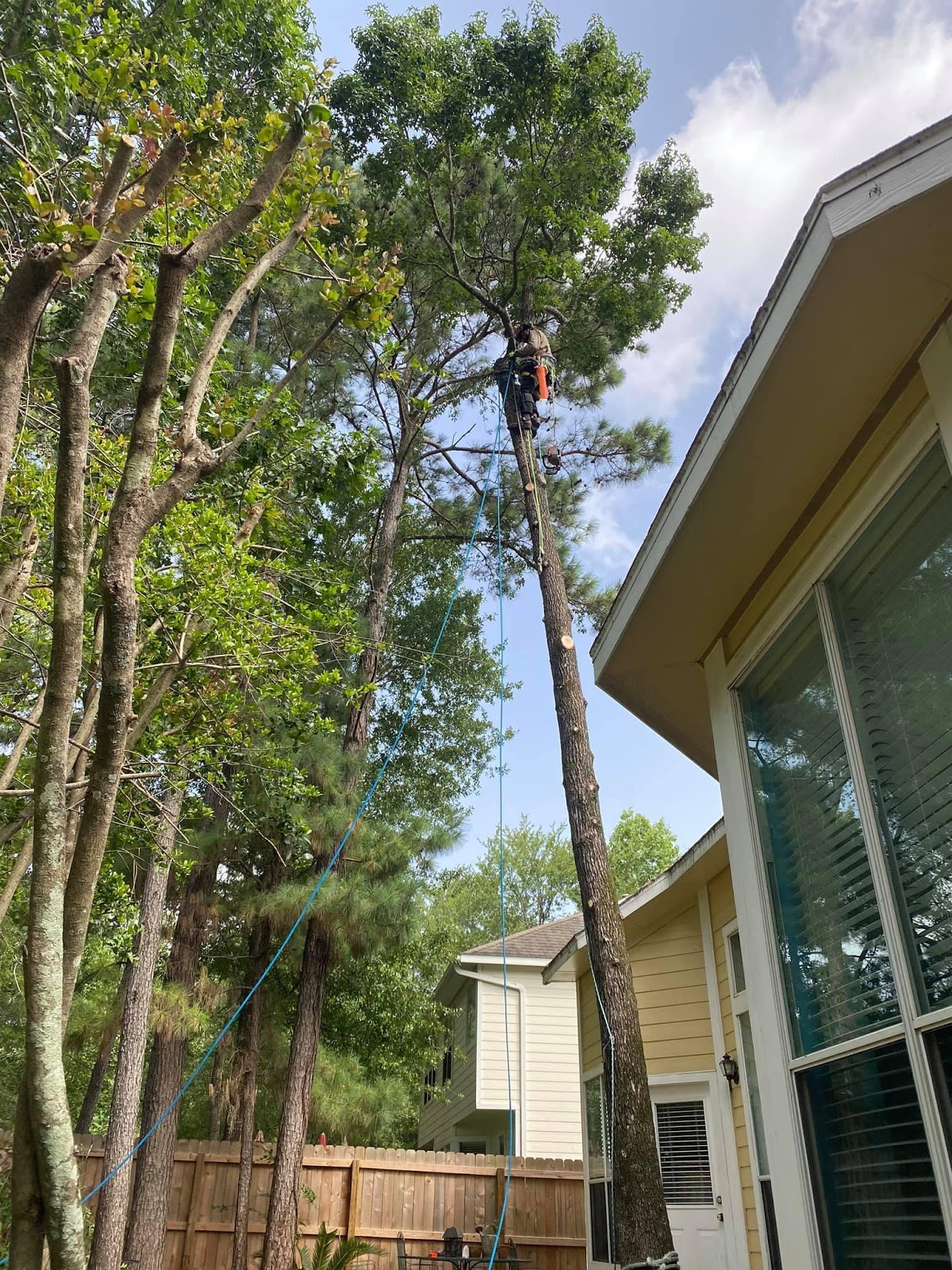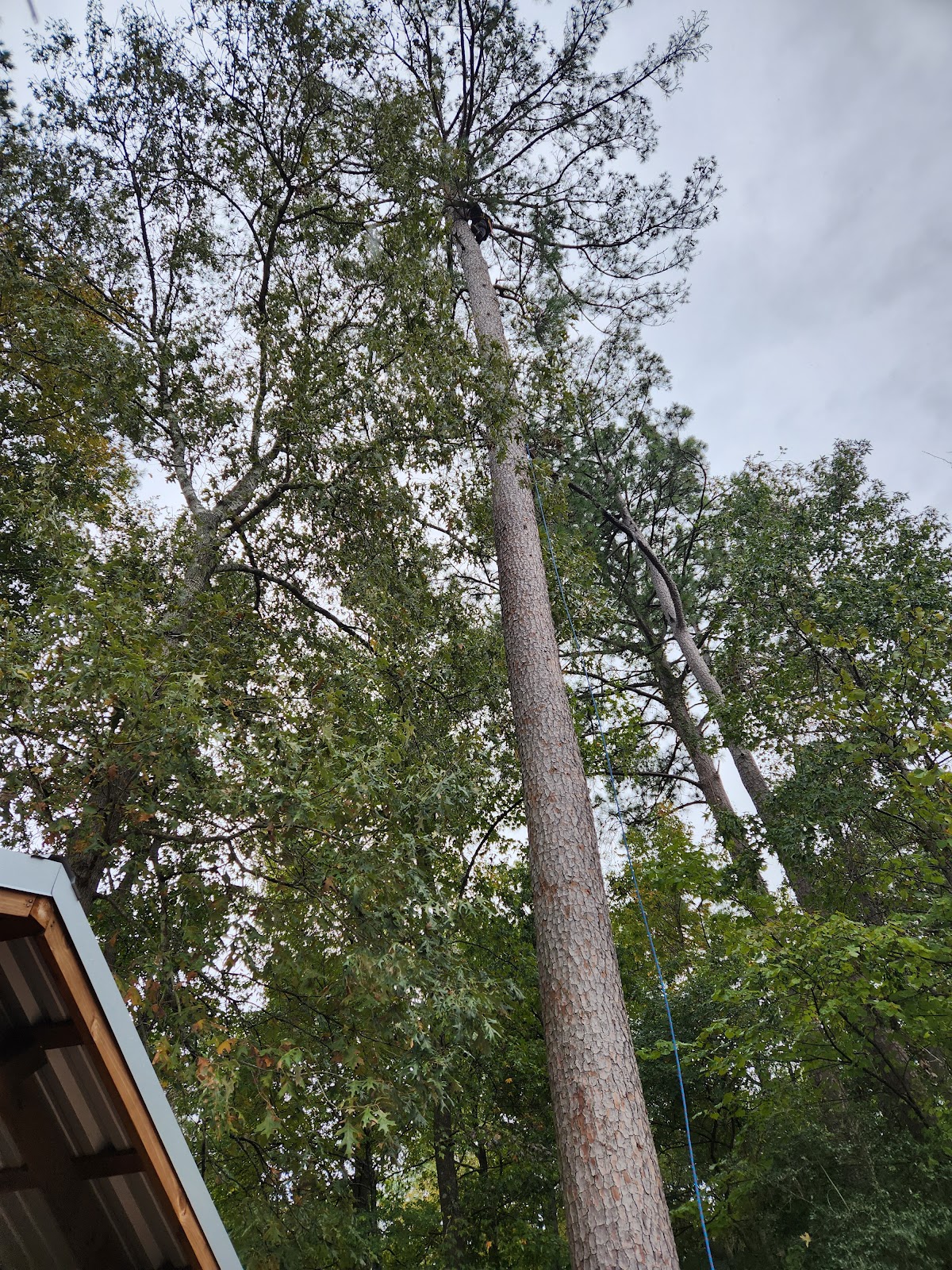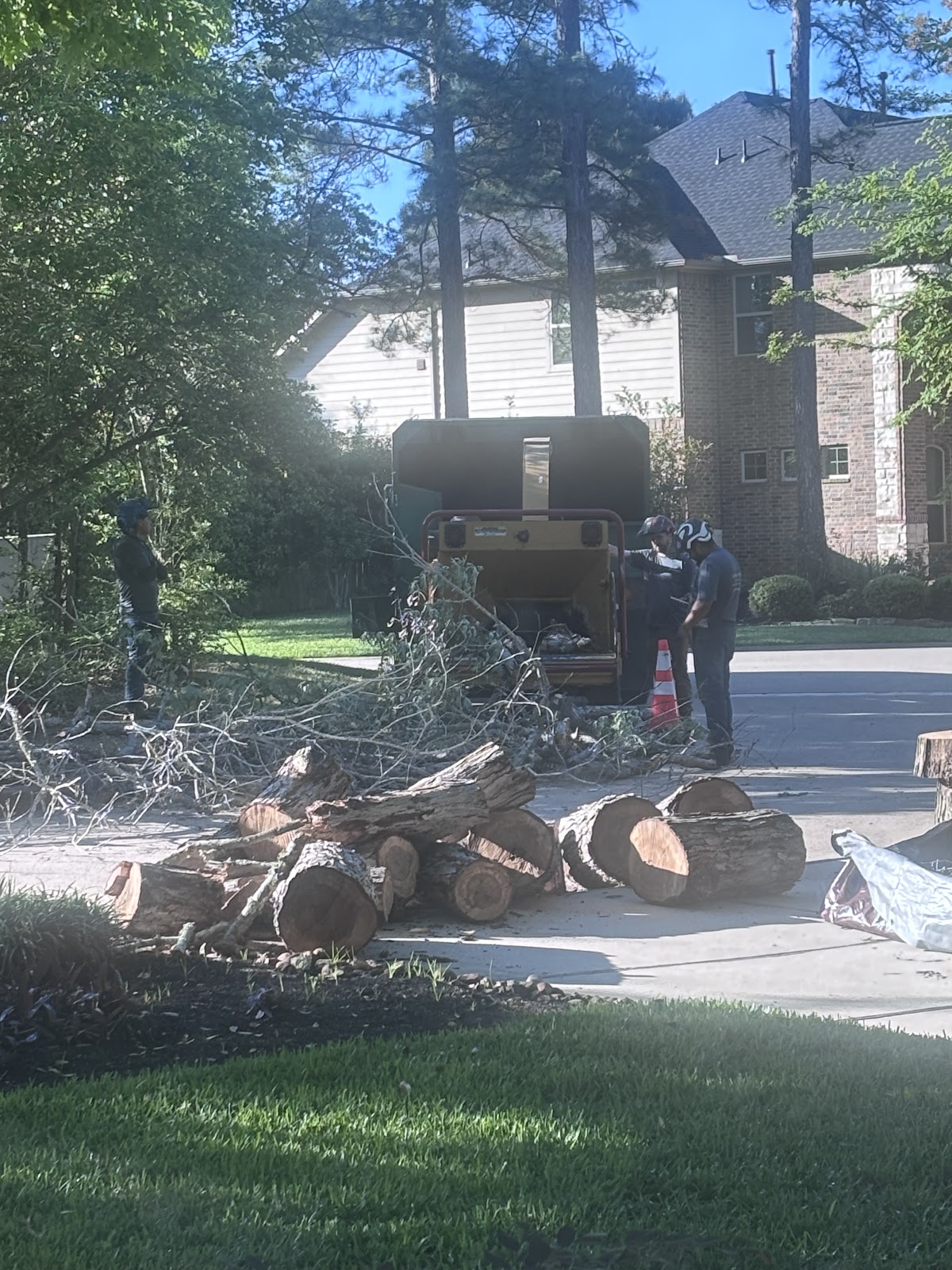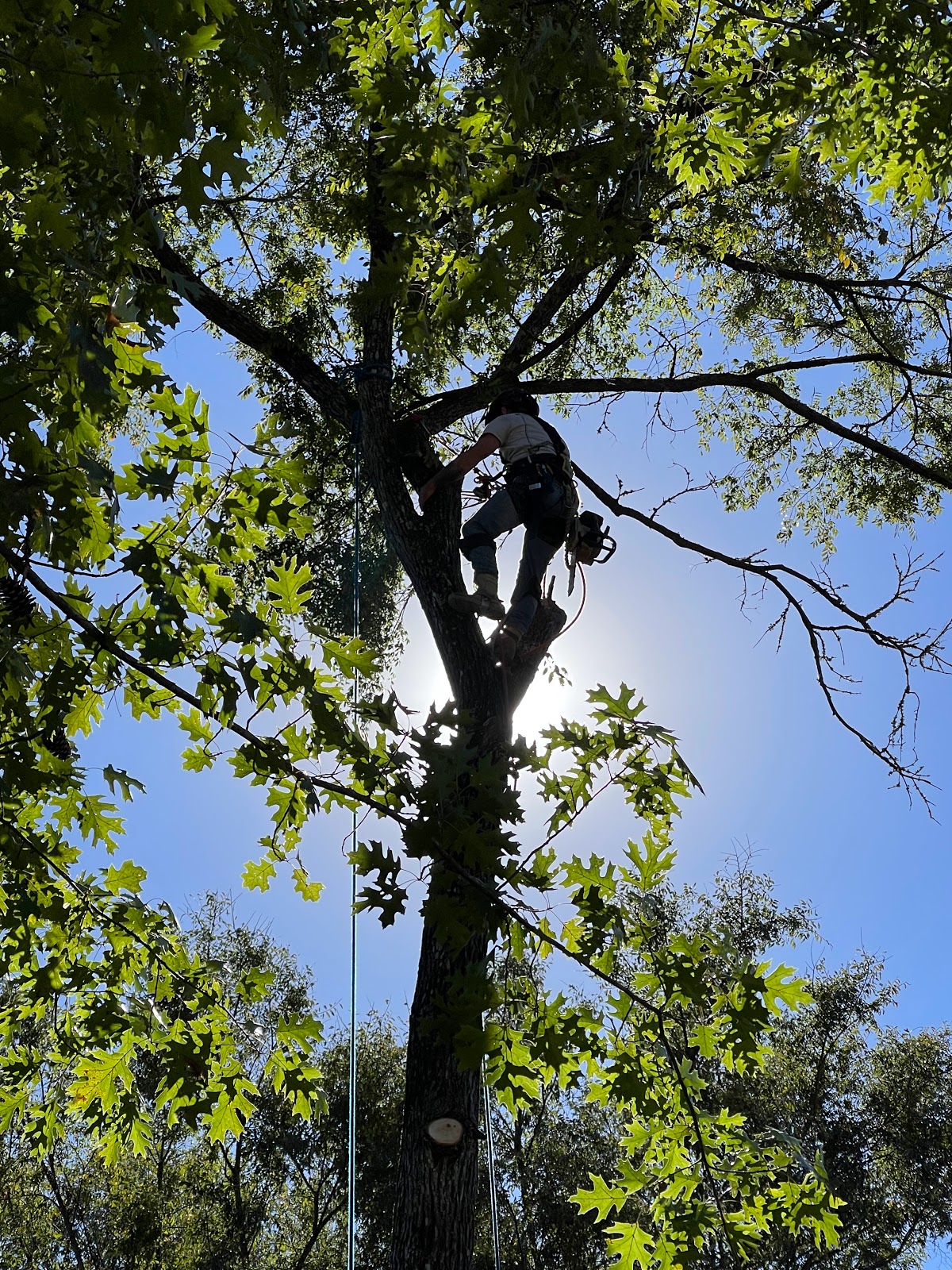
When a tree on your property starts showing signs of trouble, the first question is usually not whether to act, but how. You might be looking at a tree that's overgrown, dropping limbs, or starting to lean the wrong way. The choice between trimming and removal isn't always obvious, and making the wrong call can cost you money or create a safety problem later. We've helped hundreds of Montgomery homeowners work through this decision, and there are some straightforward factors that point you one way or the other.
When trimming makes sense
Trimming is the less invasive option, and it's almost always cheaper. If a tree is basically healthy but has branches rubbing the house, blocking a view, or creating a hazard over a driveway, trimming solves that problem directly. A good trim removes dead wood, improves the tree's structure, and can add years to its life. In the Texas heat, proper trimming also opens up the canopy so air flows through better, which the tree actually needs.
The key word here is "basically healthy." If the trunk is straight, the bark is intact, and most of the crown is still green and vigorous, trimming is worth doing. We trim live oaks and pines around Montgomery regularly, and they bounce back well when you remove the right branches. Trimming every three to five years keeps them in good shape. If you're mainly dealing with low-hanging branches, dead limbs, or branches that interfere with power lines or your roof, a trim is almost certainly the answer.
The signs that removal is necessary
Full removal becomes the right choice when the tree's overall health or position creates a real liability. If the trunk is cracked, leaning severely, or hollow inside, the tree is in decline and won't recover. Trees with large cavities, significant lean toward a structure, or major limbs that are already dead or dying are candidates for removal. Storm damage that splits the main trunk is another clear indicator.
Location matters too. A dead or unstable tree hanging over your house, a shed, a fence, or close to a property line is a different risk than one standing alone in an open part of your yard. If a tree is too close to your home's foundation or you're worried about roots damaging your septic or water line, removal stops that problem. In Montgomery, we see a lot of situations where a tree has simply outlived its usefulness or grown into a spot where it was never meant to be.
The cost difference
Trimming typically runs between $300 and $800, depending on the tree's size and how much work needs doing. Removal is significantly more expensive, usually between $1,500 and $5,000, because you're dealing with bringing down the entire tree, grinding the stump, and hauling everything away. That's a real difference, and it's why you want to be sure removal is actually necessary before you commit to it.
Sometimes people think removal is cheaper because they won't have to trim again. That's not quite right. A properly trimmed tree doesn't need removal, and you'll get another five years or more of benefit from it. If the tree is healthy enough to keep, the math usually favors trimming.
Getting a professional assessment
The hardest part of this decision is often just knowing what you're looking at. A tree might look fine from the ground but have internal decay you can't see. It might lean slightly but be stable, or it might be leaning for a reason that means it'll fail in the next storm. This is where a professional assessment saves money and prevents accidents.
When we evaluate a tree, we look at the overall form, check the trunk and major limbs for damage or disease, and think about what the weather in Montgomery might throw at it. We'll tell you straight whether it's a trim situation or a removal situation. Sometimes the answer is "trim it now and monitor it," which means you get a few more years before you have to make the bigger call.
Questions to ask yourself
Before you call, think about what you want the outcome to be. Is this tree providing shade you value, or is it mostly in the way. Does it have sentimental value to your family. Would you replant something else in that spot. These aren't technical questions, but they matter to your decision.
Also consider the tree's age and species. A young oak in good shape is worth keeping and trimming. An old pine with a hollow trunk is probably heading toward removal regardless. In Montgomery's climate, healthy trees are an asset, so when there's any doubt, getting them trimmed instead of removed usually makes sense.
Call Davis Tree Service and we'll come out, look at what you've got, and give you a clear recommendation. We'll tell you what the tree needs and what it'll cost either way. That conversation usually makes the choice obvious.