A leaning tree near your house is one of those problems that nags at you every time you see it. You wonder if it's actually dangerous, if it'll cost a fortune to deal with, or if maybe it'll just stay that way forever. The truth is, a tree leaning toward your roof is usually worth taking seriously, but the right call depends on how far it's leaning, how healthy it is, and how close it actually is to making contact. This isn't always a remove-it-now situation, but it's rarely a wait-and-see situation either.
Why trees lean in the first place
Most leaning trees in the Montgomery area got that way for a reason. The most common culprit is wind damage. A storm hits, the tree bends, and it doesn't straighten back up the way it should. Soil erosion around the base can tip things too, especially after heavy rain when our clay soil shifts. Sometimes a tree simply grew toward sunlight and just happened to angle toward your house. Root damage from construction, utility work, or even just settling soil can weaken the root system on one side, causing the lean to get worse over time.
The real question isn't why it's leaning. It's whether the lean is getting worse.
How to tell if it's actually a problem
A tree that's been leaning the same way for five years and shows no signs of change is different from one that started leaning last year or one that's getting more horizontal every season. Walk around your tree and look at the base. If you see exposed roots on one side or a gap between the roots and soil, that's a red flag. Check the trunk itself for cracks or splits, especially on the side that's pulling away from the soil. If you see those, the tree is under real stress.
Next, measure roughly how far it leans. If the top of the tree is barely angled toward your roof, you have more time. If it's leaning at a steep angle and already close to your gutters or roof line, you're looking at a higher risk situation. Wind, heavy snow, or ice can all accelerate a lean that's already severe.
The roof risk is real but not immediate
Here's the thing about a tree leaning toward your roof. Even if it falls, it might not hit your house. It might fall the other way, or the lean might not be as dramatic as it looks from ground level. But if it does fall toward your roof, you're looking at serious damage. We've seen trees punch through roofs in Montgomery, and the repair bill makes tree removal look cheap by comparison. Add in the risk of a partial failure, where branches start snapping off over time and landing on your roof, and you've got a real liability.
That said, most leaning trees don't fail tomorrow. They fail under stress, usually during or right after a storm. So if you've got a tree leaning toward your house, the right time to act is before the next big wind event, not necessarily this week.
When to remove it versus when to wait
If the tree is leaning hard, the base shows signs of root failure, or it's already within a few feet of your roof line, removal makes sense. Don't wait. Trees that are actively failing get worse faster than you'd expect, and Montgomery storms can turn a concerning situation into an emergency in hours.
If the lean is moderate and the tree looks otherwise healthy, you can watch it for a season or two. Keep an eye on whether the lean gets worse. After a major storm, check it again. If it's still in the same position and not showing cracks or loose soil, you've probably got time.
One middle option is pruning. If branches are hanging over your roof or the canopy is unbalanced and contributing to the lean, removing weight from that side can sometimes help. It won't fix a tree with root problems, but it can reduce stress and slow down a gradual lean.
What removal costs and what it involves
Most people assume tree removal is expensive, and it can be. But the actual cost depends on the tree's size, how it leans, and how close it is to your house or power lines. A 40-foot oak leaning toward your roof is a different job than a 25-foot pine that's leaning away from everything. We typically charge by the job after we see what we're dealing with, and we'll give you a clear estimate before we start cutting.
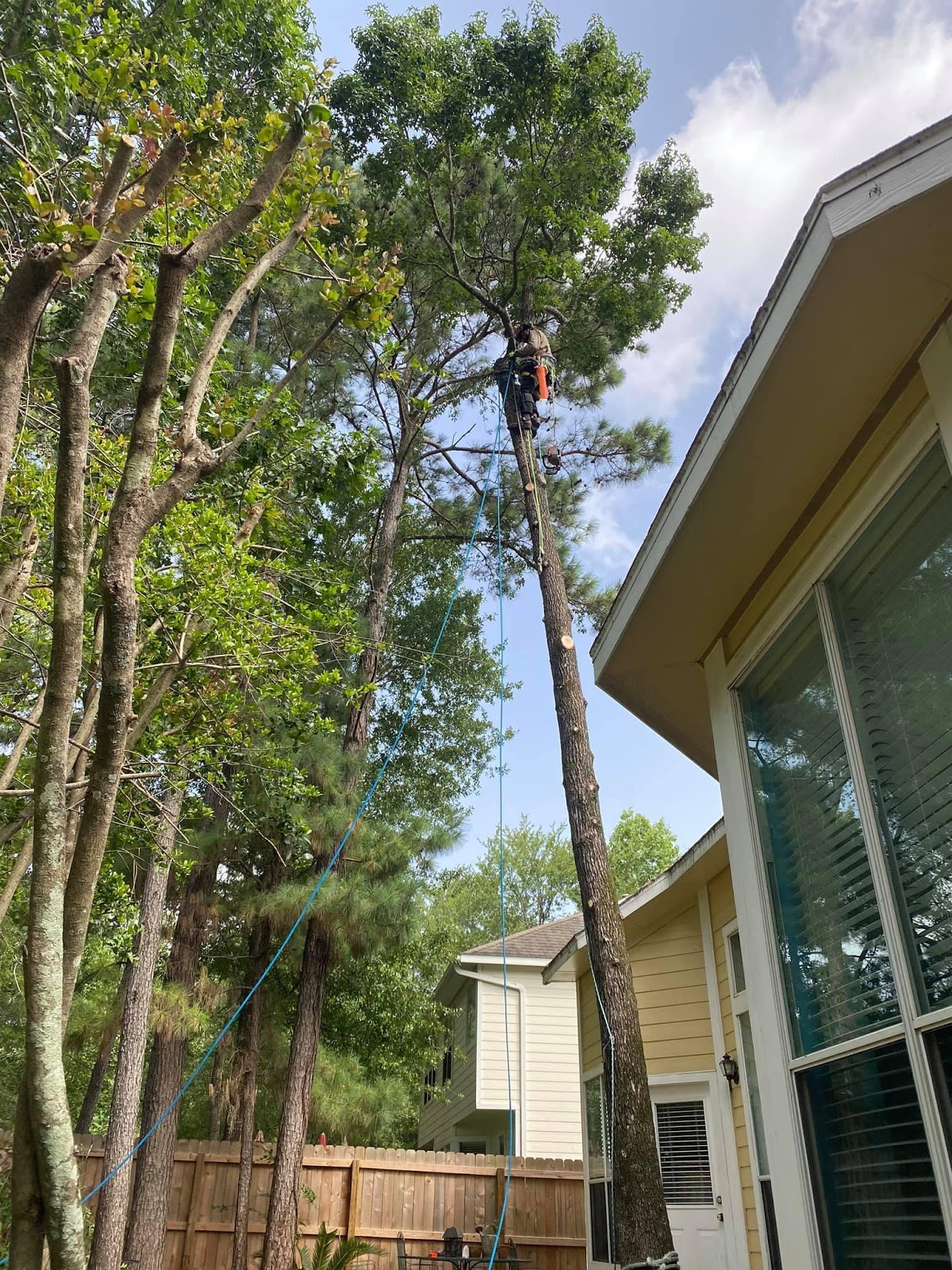
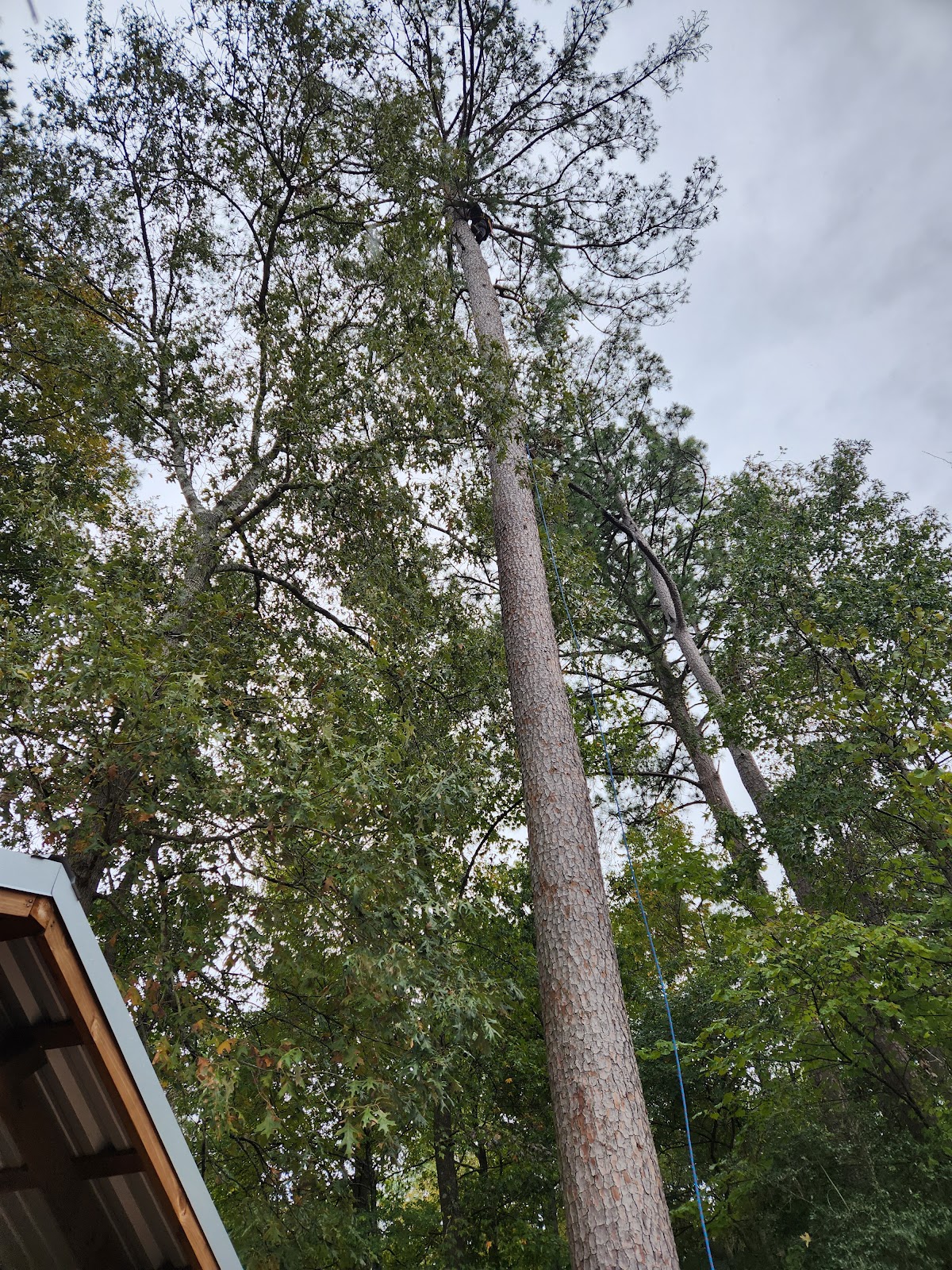
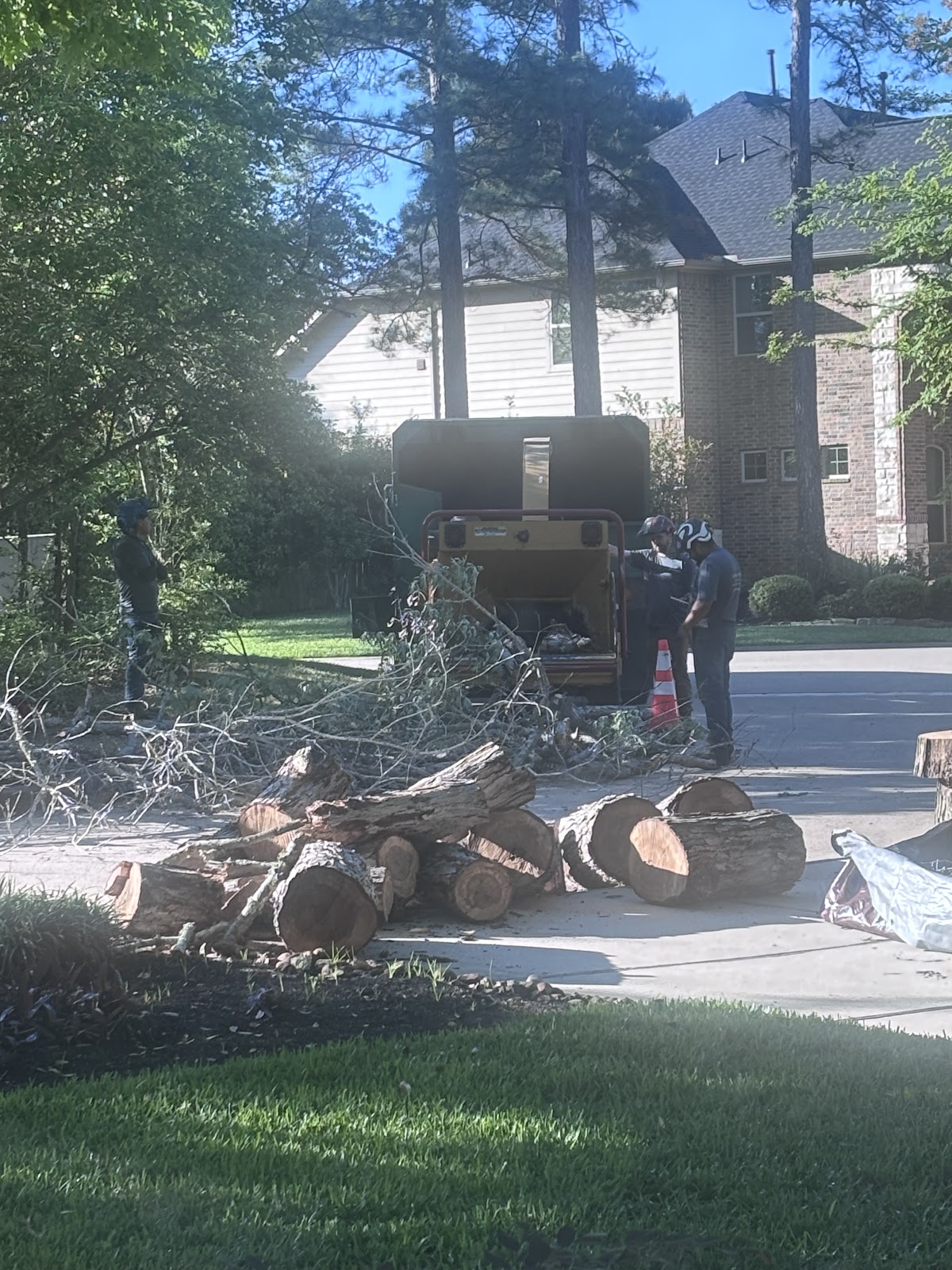
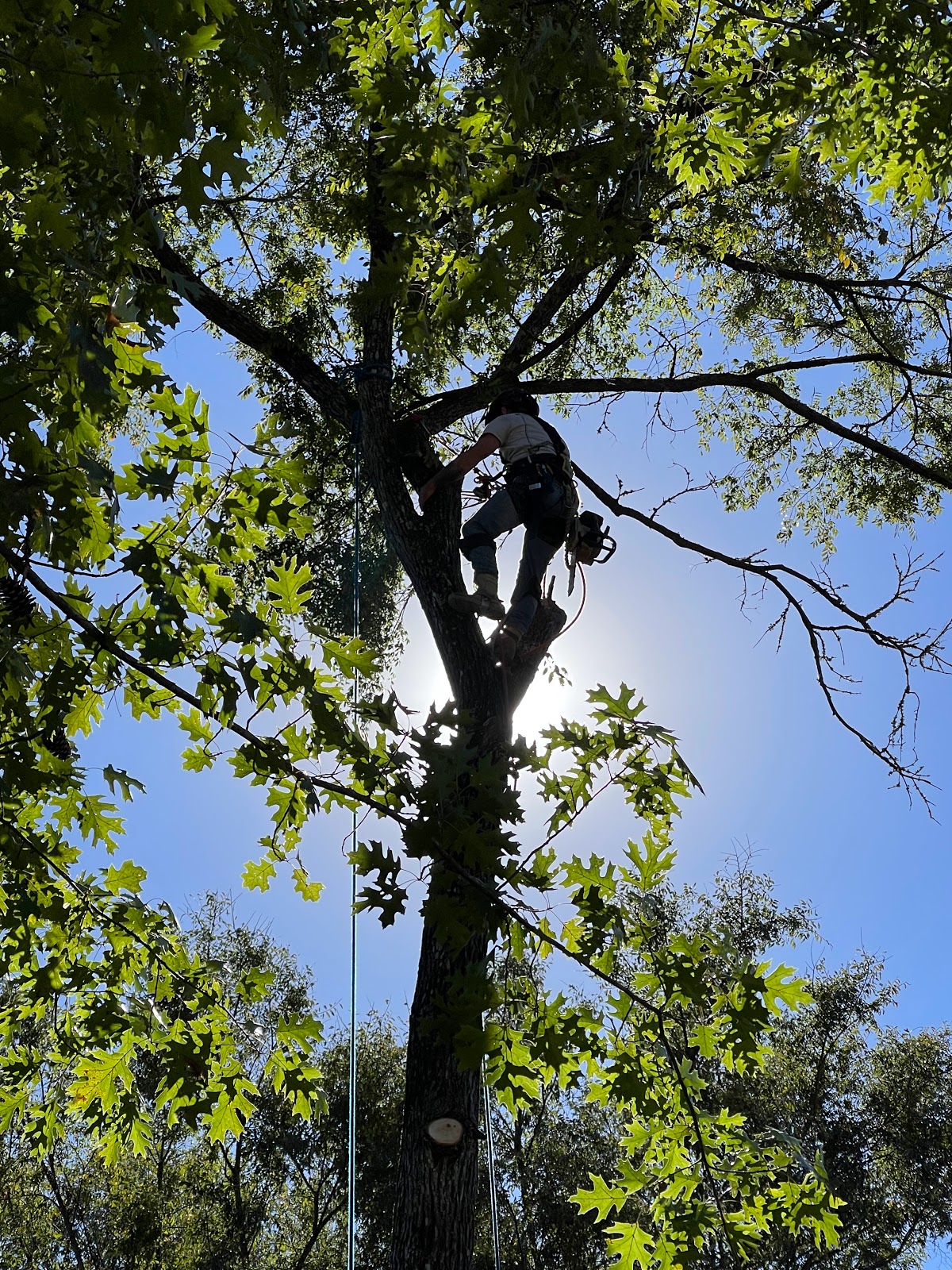
The removal itself takes a day for most residential trees. We'll drop the tree in sections if it's close to your house, haul away the debris, and grind the stump if you want. You'll have a clean yard and no more worrying about that tree every time the wind picks up.
Call now or call later, but do something
The decision to remove a leaning tree is yours, but don't let it sit in limbo for years. Either address it before the next storm or commit to monitoring it closely. A tree that's actively failing needs to come down. One that's stable can wait, but you should have a plan.
If you're in Montgomery and you've got a tree that's worrying you, call Davis Tree Service. We'll come out, look at what you're dealing with, and give you honest advice about whether it needs to come down now or if you can safely wait.