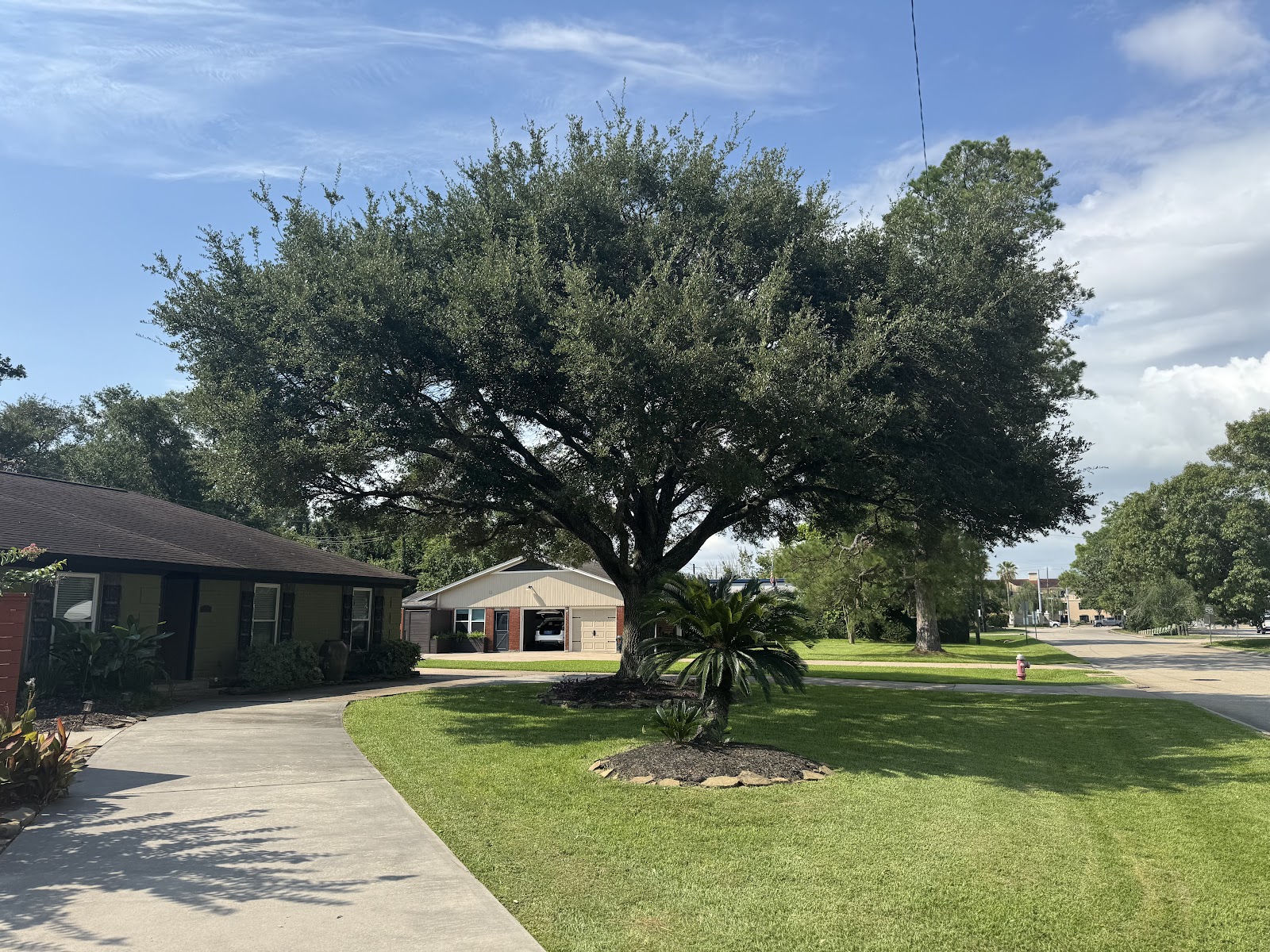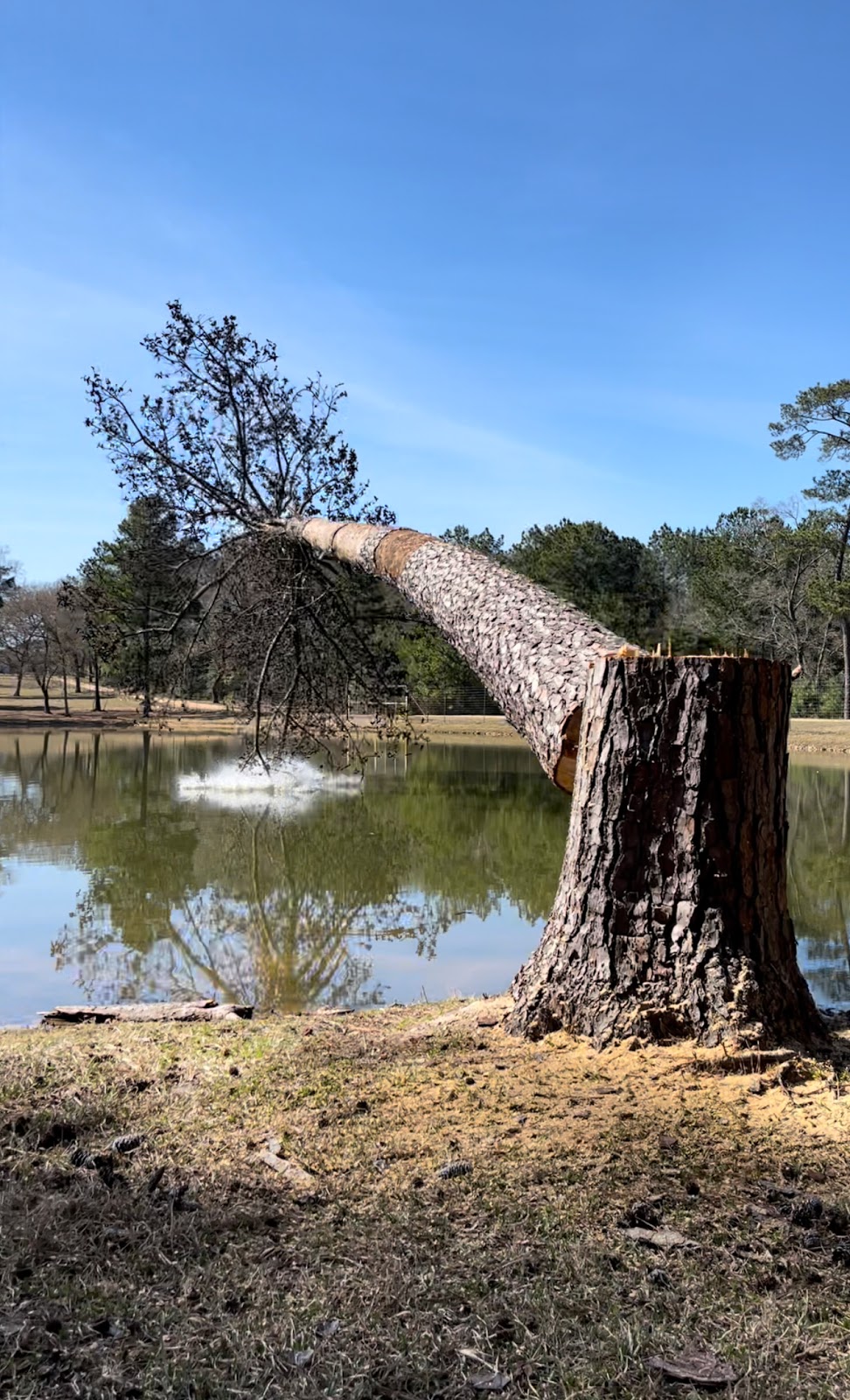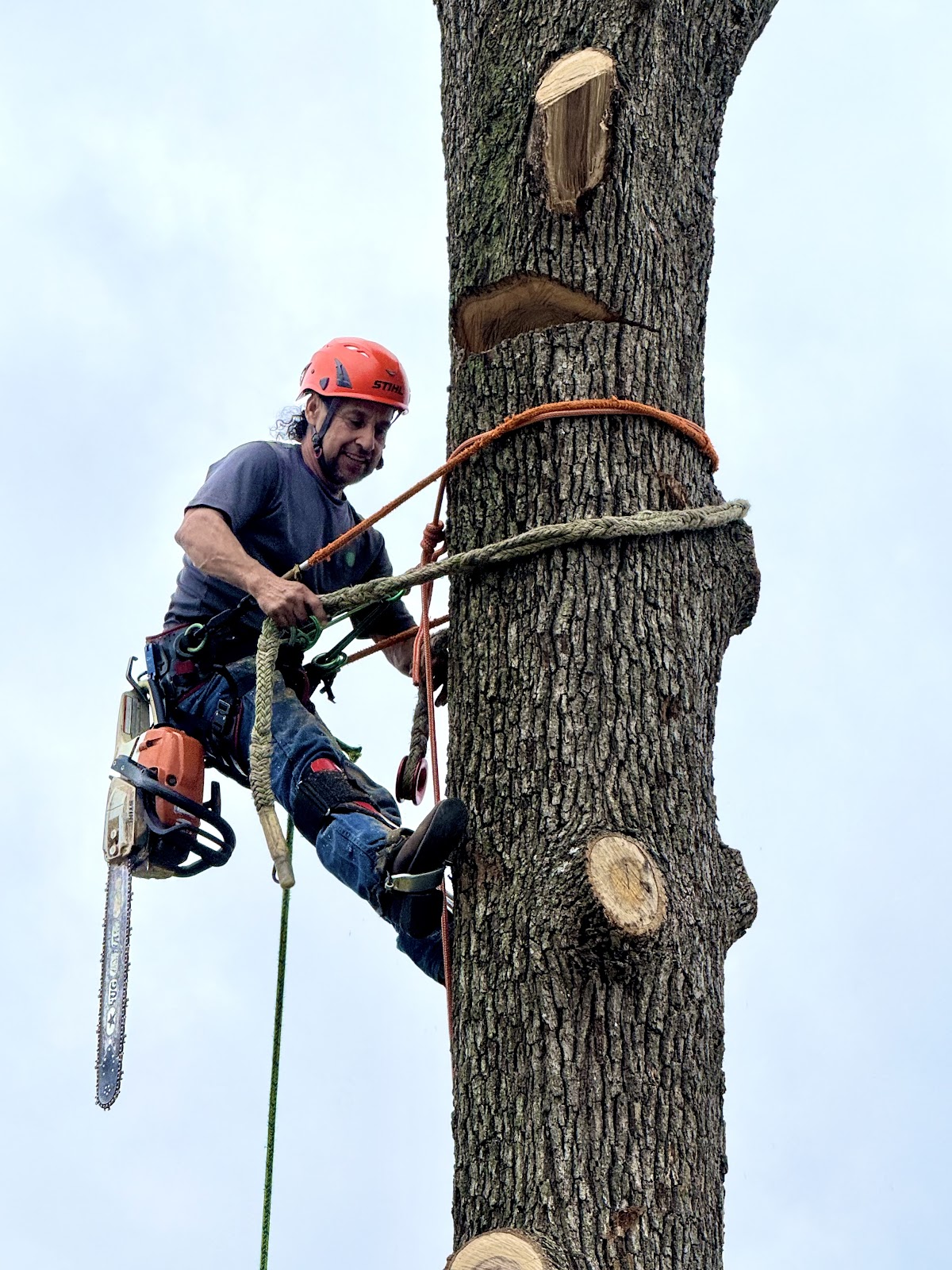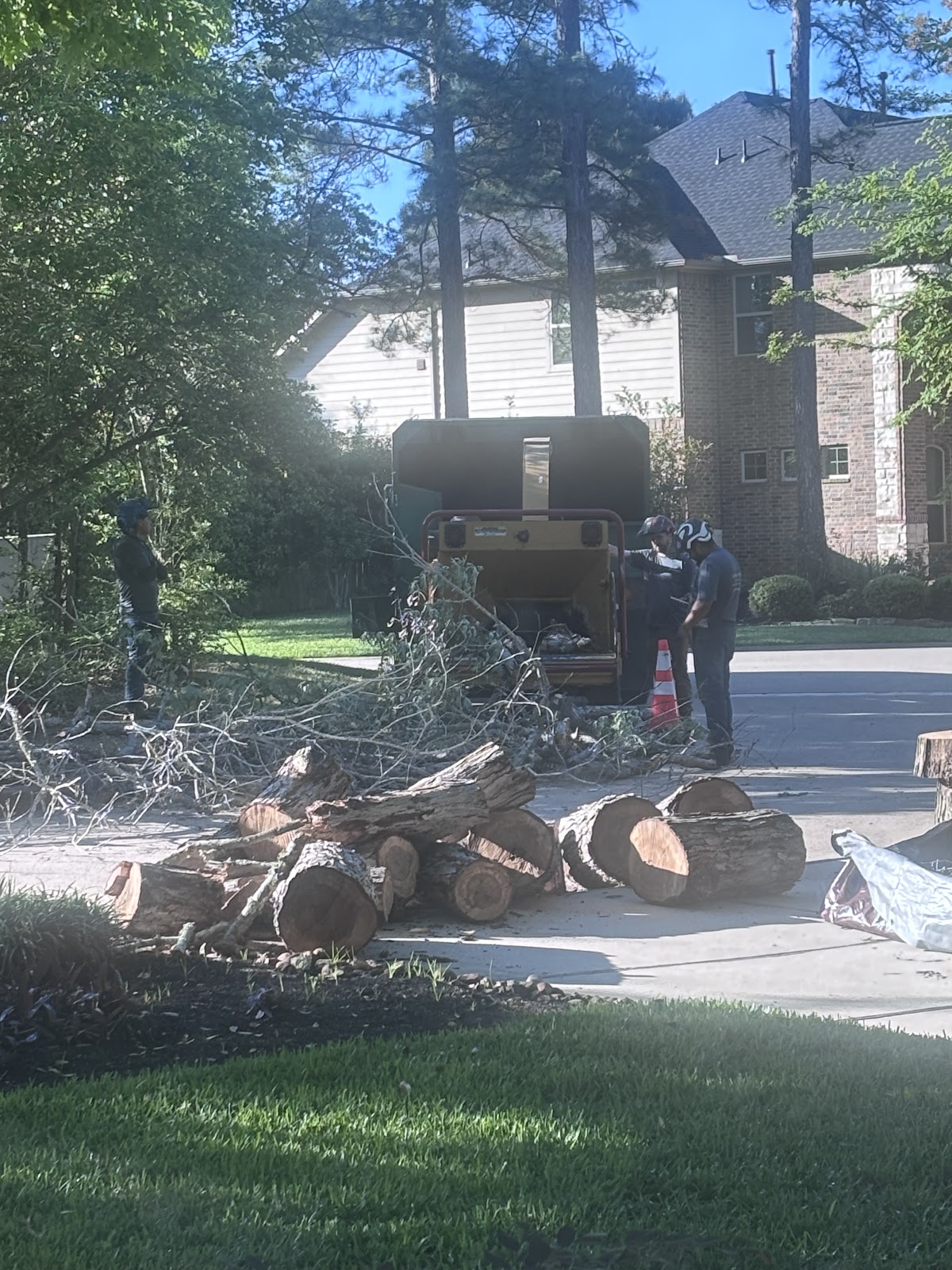
When a tree is growing close to your house, you start wondering if it's a problem. The answer depends on the tree species, how fast it grows, what kind of root system it has, and what your foundation and utilities look like. Some trees do fine twenty feet away. Others should stay fifty feet back. The distance that matters isn't just about whether branches will hit your roof. It's about roots finding cracks in foundations, limbs dropping in storms, and whether you can even maintain the tree safely once it gets big.
Root damage is the real concern with trees near houses
Most homeowners worry about branches, but roots cause the expensive damage. A mature oak or pecan tree pulls a lot of water from the soil. In dry spells, that can actually cause soil to shrink and settle unevenly under your foundation. In wet seasons, roots grow into cracks that already exist, making them worse. The problem compounds if your soil is clay, which is common here in Montgomery. Clay shrinks and swells more dramatically than sandy soil, and roots exploit that movement.
Trees with aggressive root systems like willows, poplars, and some maples should stay at least thirty to fifty feet from your house. Oaks and pecans are tougher to generalize about. A healthy oak with a deep taproot might be fine at twenty-five feet. A pecan in poor soil with shallow roots spreading wide might cause problems at forty feet. If you already have a tree closer than you'd like, get a certified arborist to look at it. Don't guess. Foundation repair costs thousands. A tree removal or relocation costs a fraction of that.
Branches over the roof create real maintenance headaches
Branches hanging over your roof drop leaves, twigs, and debris constantly. In fall, you're cleaning gutters every two weeks instead of twice a year. That debris holds moisture against your shingles and can shorten their life. Branches rubbing against the house in wind damage paint and siding. Worst case, a heavy limb breaks off in a storm and goes through the roof or takes out a power line.
If branches are already touching or hanging over your roof, they should be pruned back. Don't let them grow into the problem. A professional trim every three to five years keeps a nearby tree manageable. You can't stop leaves from falling, but you can prevent branches from being a hazard. In Montgomery, with our occasional ice storms and summer wind events, that maintenance matters.
Different trees, different safe distances
Live oaks and water oaks, which are common in the Montgomery area, grow large but often have sturdy branch structure. A healthy live oak can sometimes work at thirty feet from the house if it's well-maintained. Pecan trees get enormous and their branches spread wide and heavy. Fifty feet is safer, but if you already have one at thirty-five feet and it's healthy, you might manage it with regular pruning.
Willows, cottonwoods, and poplars are the trees to keep far back. Their roots are aggressive, they grow fast, and they drop branches frequently. If you have one of these within thirty feet of your house, talk to an arborist about your options. Sometimes a tree can be removed and replaced with something better suited to the location. Sometimes it can be managed with heavy pruning, but that's a long-term commitment.
Pine trees vary by type, but many pines do well at twenty-five to thirty feet because they're less likely to have roots that damage foundations. However, pine needles are acidic and can cause problems with gutters and downspouts if they're overhead. Fruit trees, crepe myrtles, and smaller ornamentals are usually fine closer to the house because they don't get as large or aggressive.
Utilities matter as much as the foundation
Don't forget about power lines, water lines, and septic systems. A tree that seems far enough from your house might be right under power lines or growing over a buried water main. Roots from large trees can crack water lines or clog septic drain fields. Before you plant a new tree or decide whether to keep an existing one, know where your utilities run. Call 811 before digging if you're not sure. Your power company can also tell you which trees are safe near lines and which ones they'll eventually remove anyway.
When to call for a professional assessment
If you're uncertain about a tree that's already there, a certified arborist can assess the actual risk. They look at the tree's health, root condition if visible, soil type, and your home's specific situation. Sometimes the tree is fine and will be for decades. Sometimes it needs pruning. Sometimes removal is the right call. You'll know instead of worrying.
Davis Tree Service serves Montgomery and can help you figure out whether a tree near your house is a problem or just part of your landscape. Call us for an assessment and we'll give you honest advice about what makes sense for your property.