Pine beetles are doing real damage in Texas, and Montgomery's pine stands are no exception. If you wait until your tree is obviously sick, you've probably waited too long. The beetles work fast, and by the time you see the obvious signs, they've already been tunneling through the wood for weeks or months. Catching an infestation early means you can save the tree, or at least remove it before it becomes a hazard to your house, your power lines, or your neighbors' property. Here's what to actually look for, and when to call someone who knows trees.
The First Warning Signs Are Small and Easy to Miss
The earliest clue is usually pitch tubes. These are small, reddish-brown or whitish blobs that stick out of the bark, about the size of a pencil eraser or a little larger. The tree is trying to push out the invading beetles with resin, and that's what you're seeing. If you find these on your pine, you've got beetles. Don't assume one or two tubes means a light infestation. Pitch tubes mean the beetles are already inside.
Another early sign is fine, sawdust-like material at the base of the tree or in the bark crevices. This is frass, which is basically beetle droppings mixed with wood debris. It collects in the bark grooves or falls to the ground near the trunk. In Montgomery's humidity, you might see it get darker or stick together a bit. Look at the lower trunk first, where it's easier to spot.
Discoloration in the Needles Comes Later
Once the beetles have been feeding for a while, the needles start to change color. This usually happens in the upper crown first. Green needles will fade to a dull yellow, then turn orange or reddish-brown. This is the tree's vascular system shutting down in those branches because the beetles have cut off the flow of water and nutrients. By the time you see this color change across a significant portion of the crown, the infestation is well established.
The problem is that needle discoloration can also mean drought stress, root problems, or disease. That's why you need to combine what you see in the needles with the other signs. If you see reddish needles and pitch tubes on the same tree, you have beetles. If you see discoloration but no pitch tubes or frass, it might be something else, but you should still have it looked at.
How to Check Your Trees Right Now
Walk around each pine on your property, especially the older, larger ones. Beetles prefer stressed trees, so focus on any that look thinner than others, have dead branches, or are growing slowly. Run your hand along the bark on the lower trunk and look for pitch tubes. Get down close. They're small and you'll miss them if you're standing back.
If you find pitch tubes, take a photo and note the date. Mark the tree somehow so you can monitor it. Check again in two weeks. If new pitch tubes appear, the infestation is active and growing. If you don't see new ones, the tree may have fought off the initial attack, though you should still keep watching through the rest of the season.
In Montgomery's climate, beetles are most active from spring through fall. Winter is when populations slow down, but if you see activity in winter, the infestation is serious.
When You Need to Act
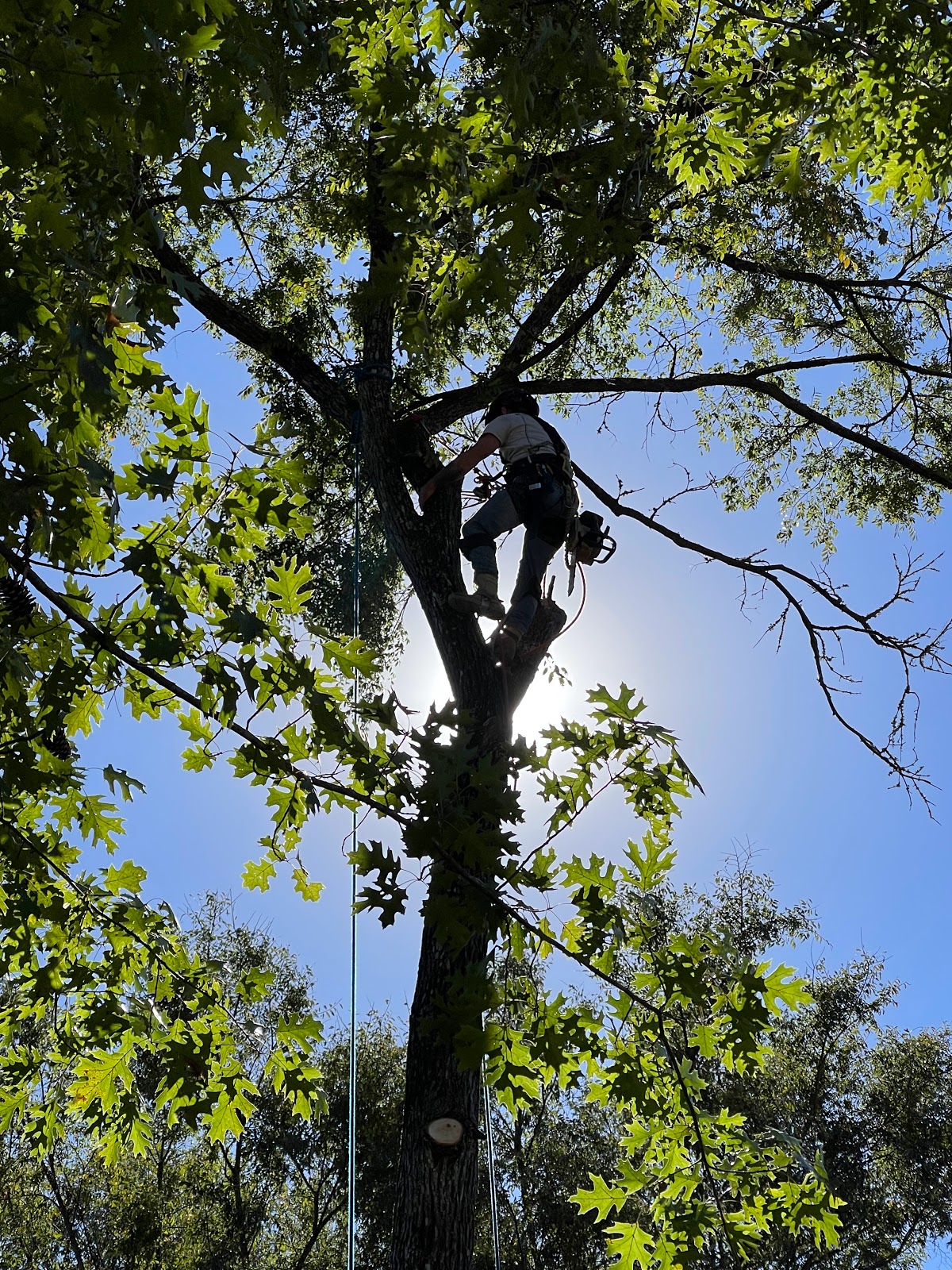
If you catch beetles early, before they've spread through the whole tree, removal of the affected branches can sometimes help. Your arborist can cut out the infested portions and get them chipped or burned before new beetles emerge. This only works if the infestation is limited to one or two areas.
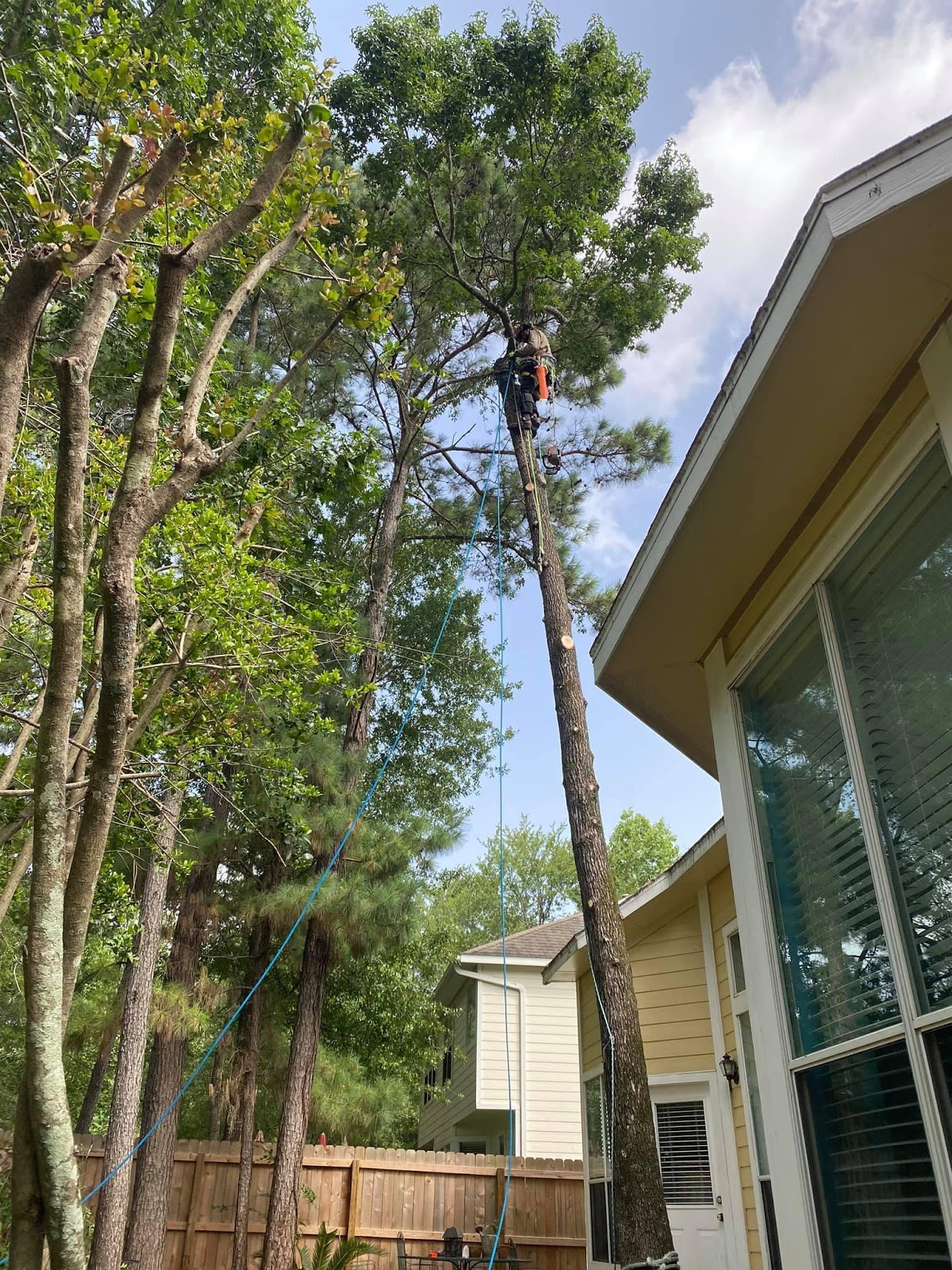
If the beetles have colonized multiple sections of the trunk or the main crown is already discolored, the tree is done. Removal is the only option that makes sense. A beetle-killed pine becomes brittle and dangerous. The wood loses strength, branches fall, and the whole tree can come down unpredictably, especially in a Texas storm.
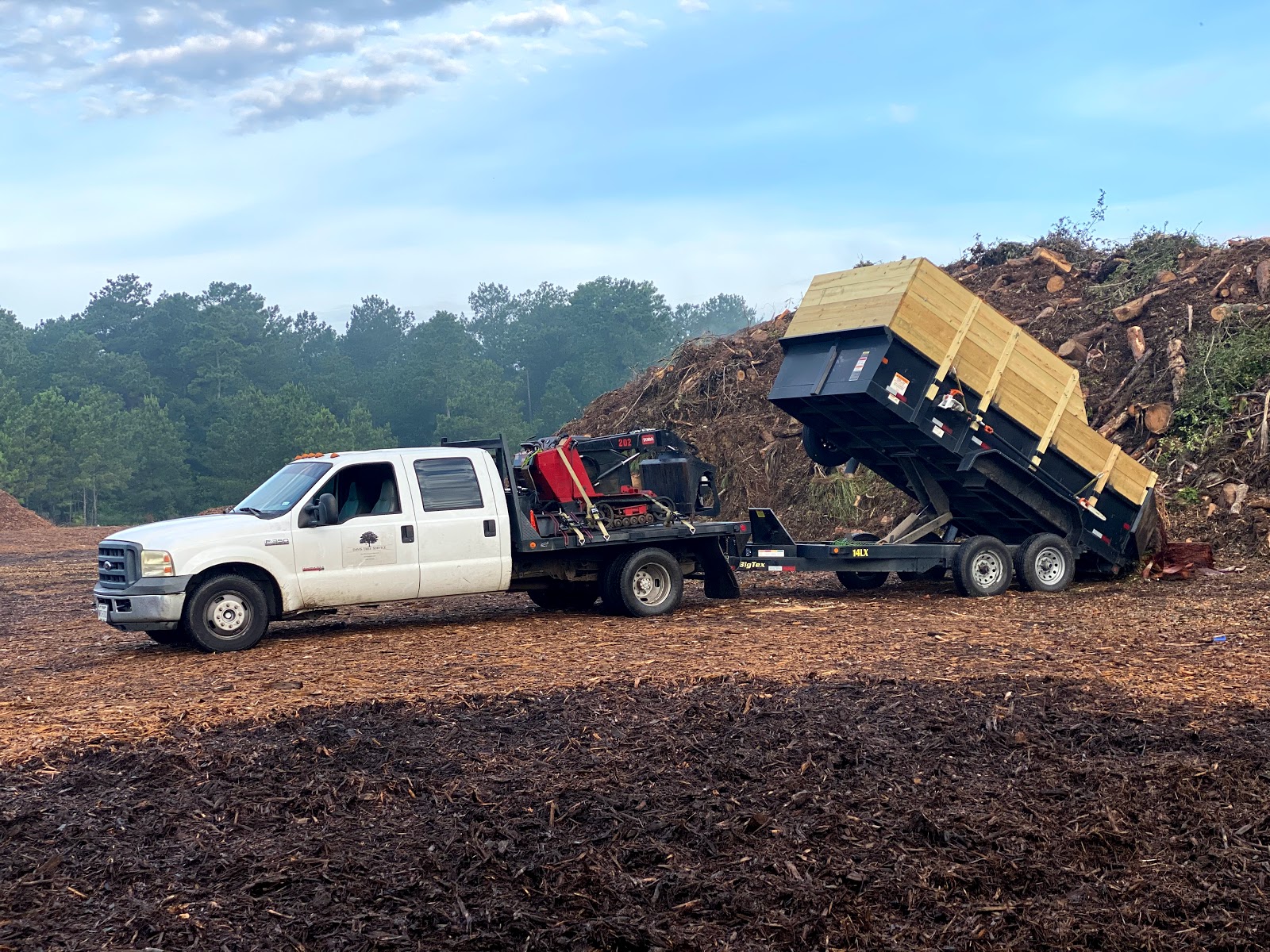
If you remove an infested tree, don't leave the wood sitting in your yard. The beetles will keep breeding in that wood and spread to your other pines. The logs need to be chipped, burned, or hauled away by someone who knows what they're doing.
Prevention Is Easier Than Treatment
Keep your pines healthy. Water them during dry spells, especially young trees. Avoid wounding the bark with equipment or trimming. Stressed trees attract beetles like a signal fire. If you have a lot of pines close together, thin them out so air moves through the stand and each tree has room to grow strong.
If a neighboring property has infested pines, beetles can fly to your trees. You can't control that, but you can make sure your pines are in the best shape possible to resist attack.
Davis Tree Service in Montgomery can inspect your pines and tell you exactly what you're dealing with. If you've spotted pitch tubes, discolored needles, or sawdust on your trees, call us. Early detection makes all the difference.